Living Car-Light In Daybreak: Trails, TRAX, And Daily Life
June 11, 2026
June 11, 2026
If you are trying to picture everyday life in Daybreak without relying on your car for every errand, school drop-off, or coffee run, the idea is more realistic than many people expect. Daybreak was planned around what it calls the “5-Minute Life,” which means many daily destinations are intentionally placed within an easy walk, bike ride, or light rail trip. If you are considering a move to South Jordan or weighing whether Daybreak fits your routine, this guide will help you understand where car-light living works well, where it has limits, and what daily life can really look like. Let’s dive in.
Daybreak stands out because its layout supports movement beyond the car. According to the community’s 2025 amenities guide, the neighborhood includes more than 50 miles of maintained trails and 40+ parks. Those trails connect neighborhoods to Oquirrh Lake, pocket parks, schools, SoDa Row, and Downtown Daybreak.
That matters because car-light living depends on more than one nice trail or one transit stop. It works best when your home, daily needs, and recreation are tied together in a connected network. In Daybreak, that network is part of the original plan rather than an afterthought.
One of the biggest reasons Daybreak feels easier to navigate without driving is the trail system itself. Official community materials say the trails are designed for pedestrians and bikers, motorized vehicles are not allowed, and the paths are mostly paved and stroller-friendly. Most parks are also open from sunrise to sunset, which helps support regular use throughout the day.
For many residents, those paths are part of the routine, not just something to use on weekends. You can use them to move between neighborhoods, head toward parks, or connect with destinations like SoDa Row and Downtown Daybreak. That kind of consistency makes walking or biking feel practical.
In the Upper Villages, Daybreak says The Loop links wide paths, parks, and natural areas before connecting down to the Lower Villages along Lake Avenue. That creates a more continuous experience than a neighborhood with scattered sidewalks and isolated green space. If you enjoy walking for transportation as much as exercise, that difference can be meaningful.
The community also incorporates public art through Art Ave in Linear Park. That gives some everyday walks a more active, main-street feel rather than feeling like you are simply cutting through open space.
Oquirrh Lake plays a major role in how Daybreak feels on foot. The community describes it as a 67-acre lake with miles of paths and bridges around the water. Those trails and surrounding parks are open to the public, which makes the lake area an active part of the neighborhood circulation system.
It is important to note one distinction. While the trails and parks around the lake are public, the lake itself is a private Daybreak resident amenity under HOA rules. The HOA also notes that residents may launch personal non-motorized craft with the proper permit.
In practical terms, the lake area gives Daybreak a central place where movement, recreation, and errands can overlap. A walk can turn into a coffee stop, an evening stroll, or a meetup near SoDa Row. When a neighborhood creates those kinds of natural connections, it becomes easier to leave the car parked.
If you want a car-light lifestyle, you need more than scenic trails. You also need useful destinations close by. In Daybreak, SoDa Row fills that role as a walkable main street with restaurants, cafés, boutiques, fitness and wellness studios, salons, and neighborhood services.
Daybreak’s own descriptions present SoDa Row as a place where you can grab coffee, lunch, a sweet treat, or fit in an appointment without making a bigger trip across the valley. The amenities guide also notes that shopping, dining, markets, and seasonal events are often within a short walk or bike ride from home.
If your daily routine includes casual dining, personal services, or quick neighborhood outings, SoDa Row can support a more local lifestyle. Instead of thinking only about commute times, it helps to think about how many short trips you could replace with a walk or bike ride. That is often where Daybreak’s design has the biggest impact.
Downtown Daybreak builds on that pattern with a broader mix of uses. Community materials describe it as walkable, bikeable, and transit-oriented, with entertainment, dining, retail, offices, housing, and year-round events built around a five-minute rule.
This is important because a car-light lifestyle becomes more realistic when your neighborhood includes both everyday convenience and larger activity centers. Daybreak says the district is connected by trails that tie into the community’s 50+ mile network. It also notes that some residents can walk home from the ballpark and nearby venues.
For some buyers, this part of Daybreak will be especially appealing. It adds energy and convenience without requiring every outing to become a drive. If you value having destinations nearby that feel active and connected, Downtown Daybreak strengthens the case for living car-light.
Inside the neighborhood, trails and walkable districts do a lot of the work. For trips beyond Daybreak, TRAX is what makes the car-light idea more practical. UTA says TRAX runs seven days per week, with 15-minute frequency during peak times, and that the Red Line serves South Jordan and Daybreak between the University of Utah and the south side of the valley.
For buyers looking at transit access, there is another key update. UTA opened South Jordan Downtown Station on March 26, 2025, adding a third Red Line station in South Jordan and direct access to Downtown Daybreak and the Ballpark at America First Square. UTA also lists Daybreak Parkway at 11405 S. Grandville Ave. and South Jordan Parkway at 10605 S. Grandville Ave.
This is where expectations matter. Daybreak is best described as car-light, not fully car-free. The trails, neighborhood destinations, and Red Line access can support many daily trips without driving, but the rail system still follows a corridor rather than covering every part of the neighborhood door to door.
That means the lifestyle works best if your routine lines up with the trail network and the Red Line stations. If most of your destinations are nearby or along that transit path, Daybreak may feel notably easier to navigate without driving. If your routine regularly takes you to places outside those patterns, you will likely still want a car available.
Car-light living in Daybreak can look different depending on your habits. You may find it especially appealing if you:
On the other hand, if your schedule depends on frequent travel to destinations far from the Red Line or outside South Jordan, the benefits may be more partial than complete.
Not every home in Daybreak will support the same routine in the same way. If living car-light is a goal, it helps to evaluate where a home sits in relation to trails, parks, SoDa Row, Downtown Daybreak, and TRAX stations. Small location differences can shape how often you actually choose to walk, bike, or ride transit.
When I help buyers in Daybreak, we look beyond the home itself and talk through how the neighborhood layout fits real life. That includes your commute, your day-to-day stops, and whether the trail and transit network supports the way you actually move through the week. A practical plan always matters more than a marketing phrase.
If you want help sorting out which part of Daybreak best matches your routine, Adam Frenza can help you compare locations, weigh tradeoffs, and make a confident move with clear local insight.
Combination of a few different factors, supply, mortgage rates, and location.
Real Estate
Explore the Latest Inspirations and Styles Shaping Draper Homes
Real Estate
Simplify Your Home Renovation Journey in South Jordan, UT

Opportunity for businesses in the region to promote local art and music.
Real Estate
Essential Tips and Insights for Navigating the East Bench Real Estate Market
Real Estate
Enhancing Your Las Vegas Home with the Power of Natural Light
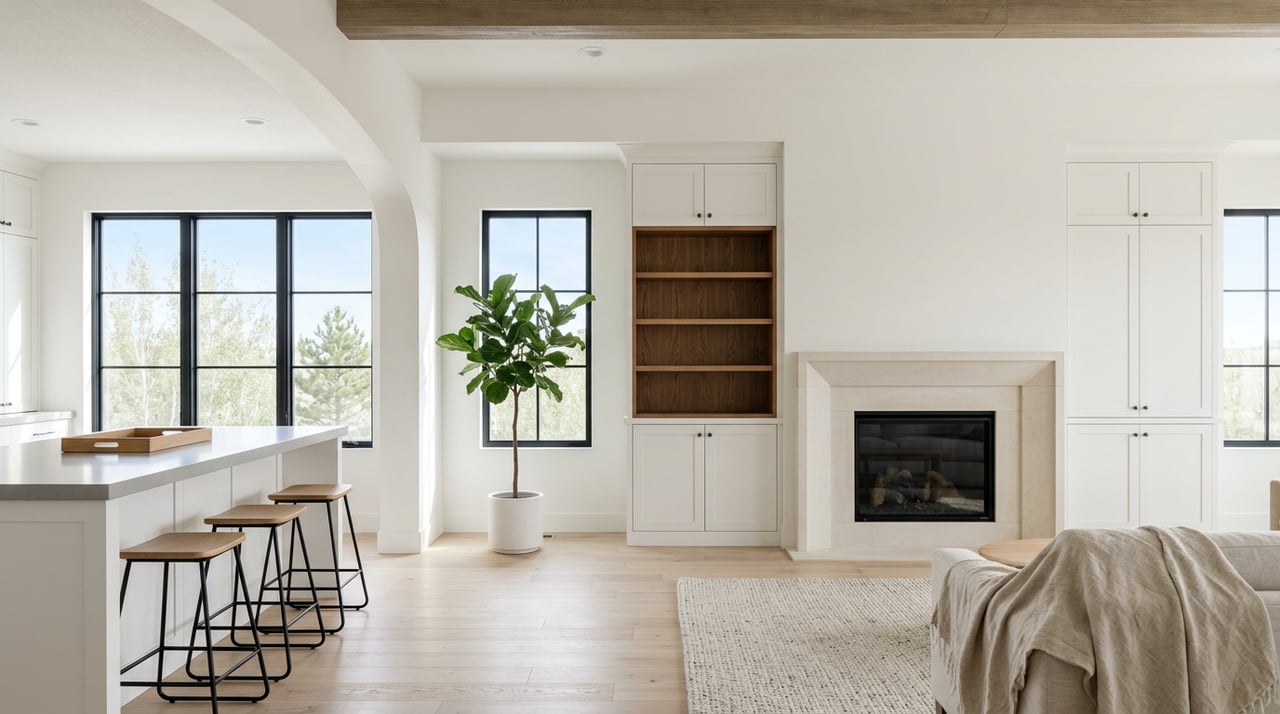
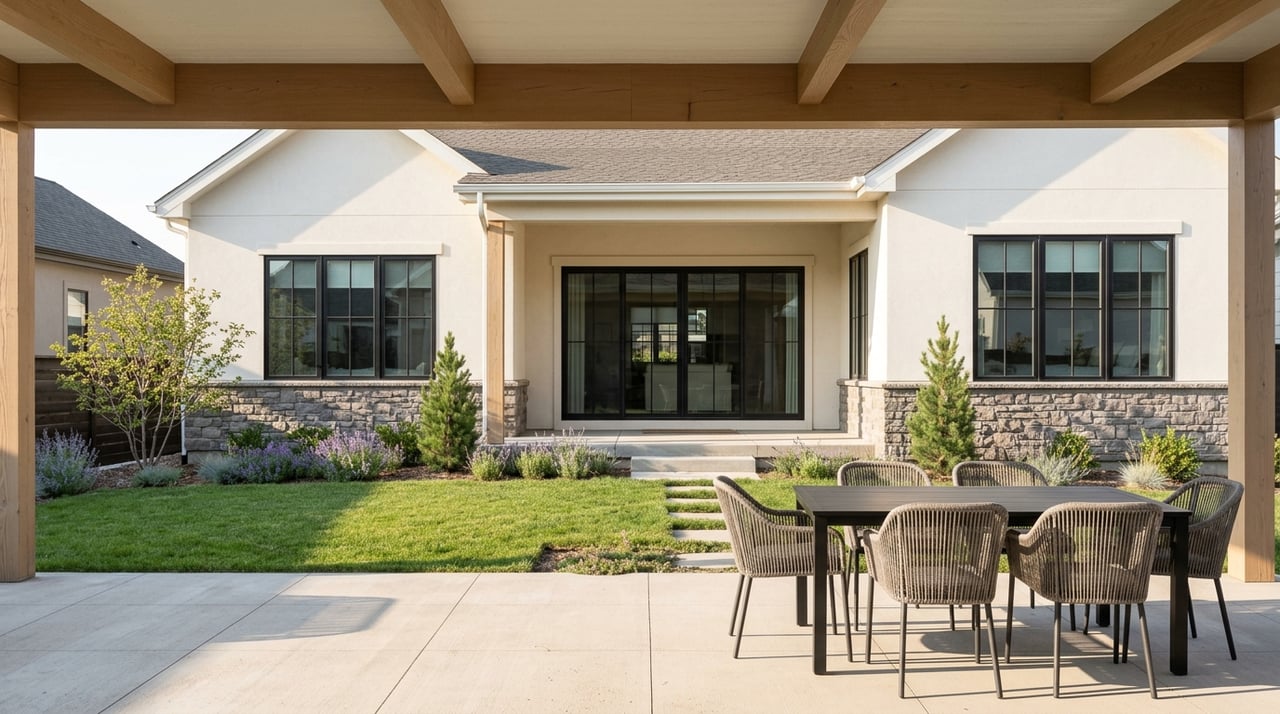
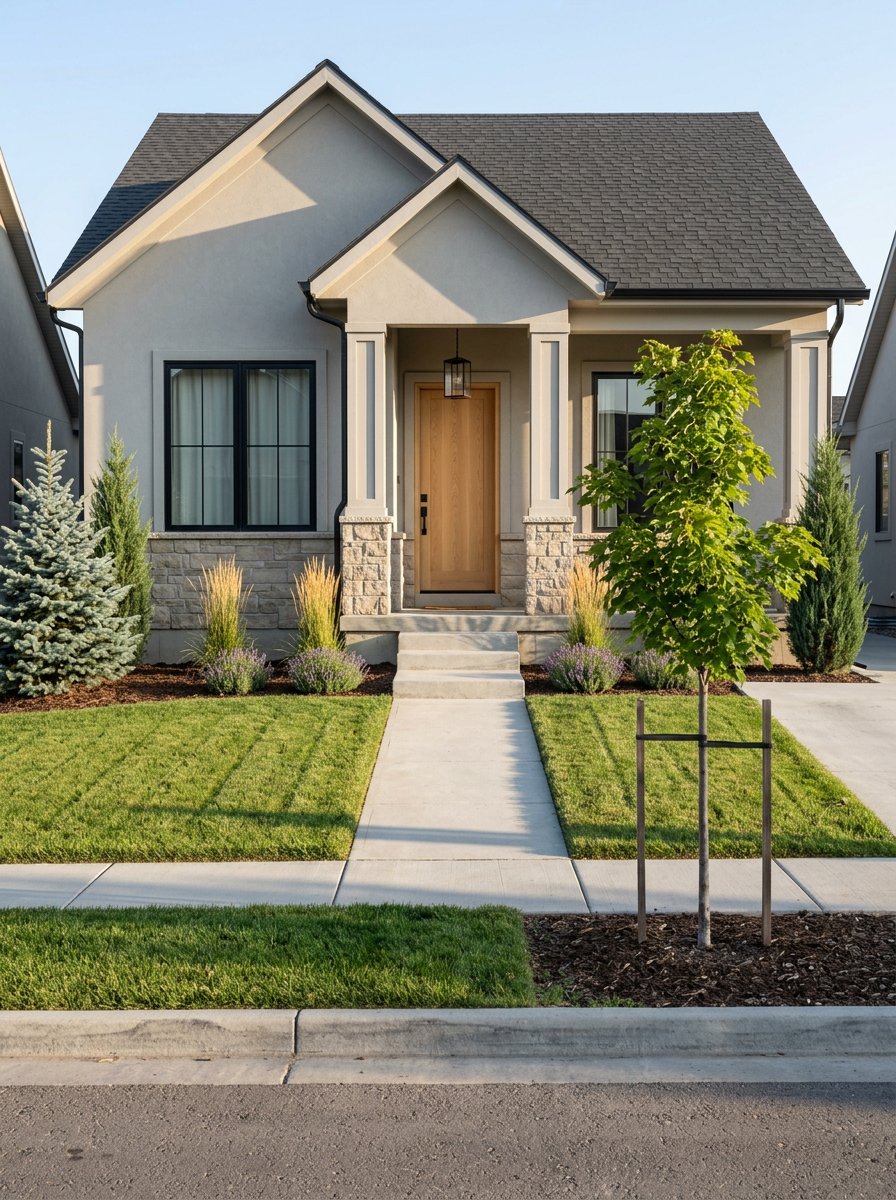
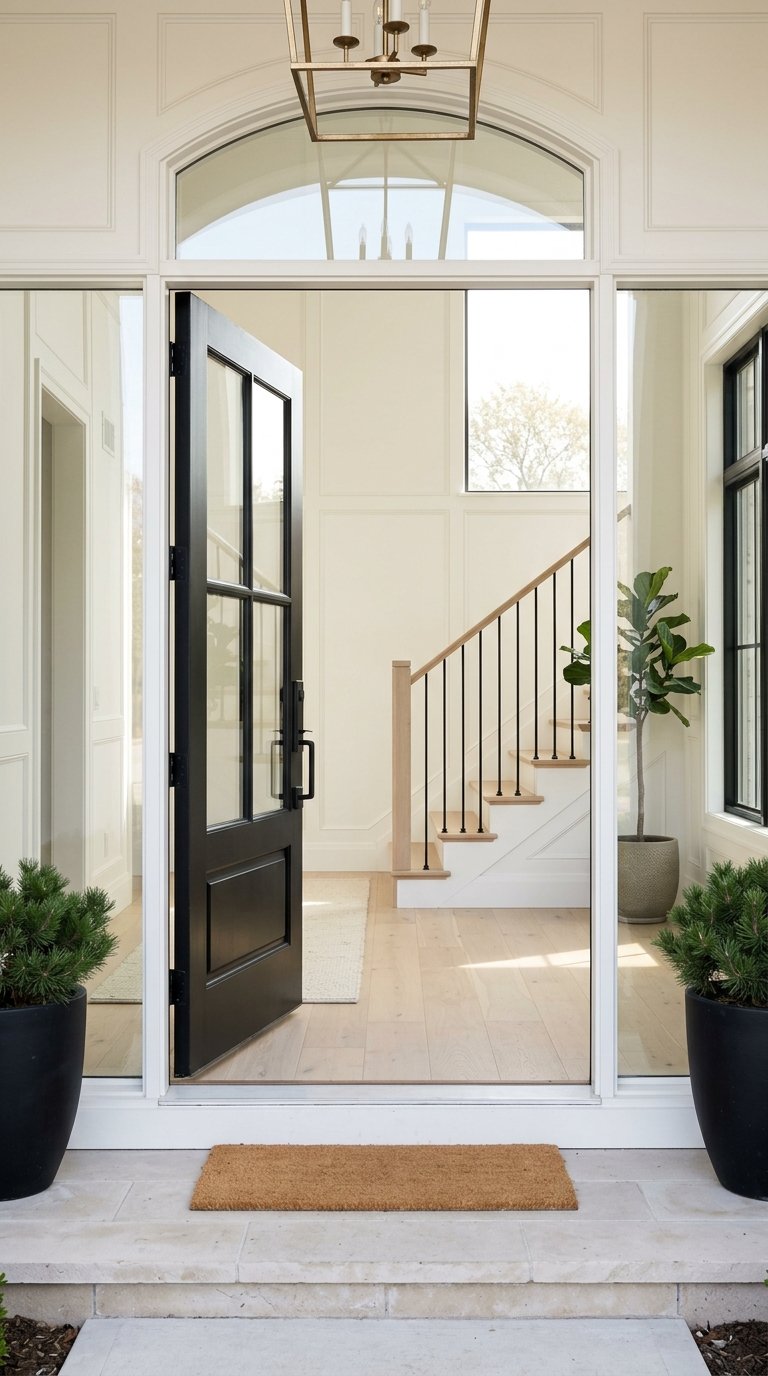
Staging your home is a way to get it ready to be seen by buyers.
Lifestyle
Explore the Charm of Avenues While Selling Your Home

Real Estate
Key Factors to Consider for Finding Your Perfect Lehi Neighborhood
The day is full of celebrations that are deep-seated in Utah’s culture.
Lifestyle
Transform Your Holladay Home with These Inspiring Office Design Tips

Lifestyle
Unleash Your Adventurous Spirit in the Heart of Utah

Lifestyle
Explore the Charm and History of Salt Lake City's Timeless Districts

Finding a good coffee shop is like finding the perfect home.
Real Estate
Boost Your Home's Appeal and Reach More Buyers with Virtual Tours

Classic Blue has officially been anointed Pantone’s 2020 “Color of the Year.”
The exterior of a home is the first thing that a buyer sees when looking.

Halloween is a time for connecting with your community.

New chapter of travel for those coming and going to the Salt Lake Area.
Real Estate
Enhance Your Living Space with Cutting-Edge Innovations
Real Estate
Expert Tips for Securing the Best Mortgage in Draper
Real Estate
Proven Strategies to Increase Your Salt Lake City Home's Value Efficiently
Real Estate
Essential Inquiries for Homebuyers in Daybreak
Real Estate
Master the Art of Buying a Home in Park City With These Insider Tips
Real Estate
Essential Insights for Navigating Your First Home Purchase in Draper
Second quarter of 2020, 131 homes sold in the Park City area, a drop of 37.3%.
Choosing less space often has to do with a desire to live a life that’s simpler.
How COVID-19 will impact the national housing market and economy.

Working from home can be an adjustment.
If you're in the market to buy, sell, or build a home, you've come to the right spot! Real Estate is not only Adam Frenza's profession, its his passion. Whatever your real estate needs, he can help you reach your goals with confidence.