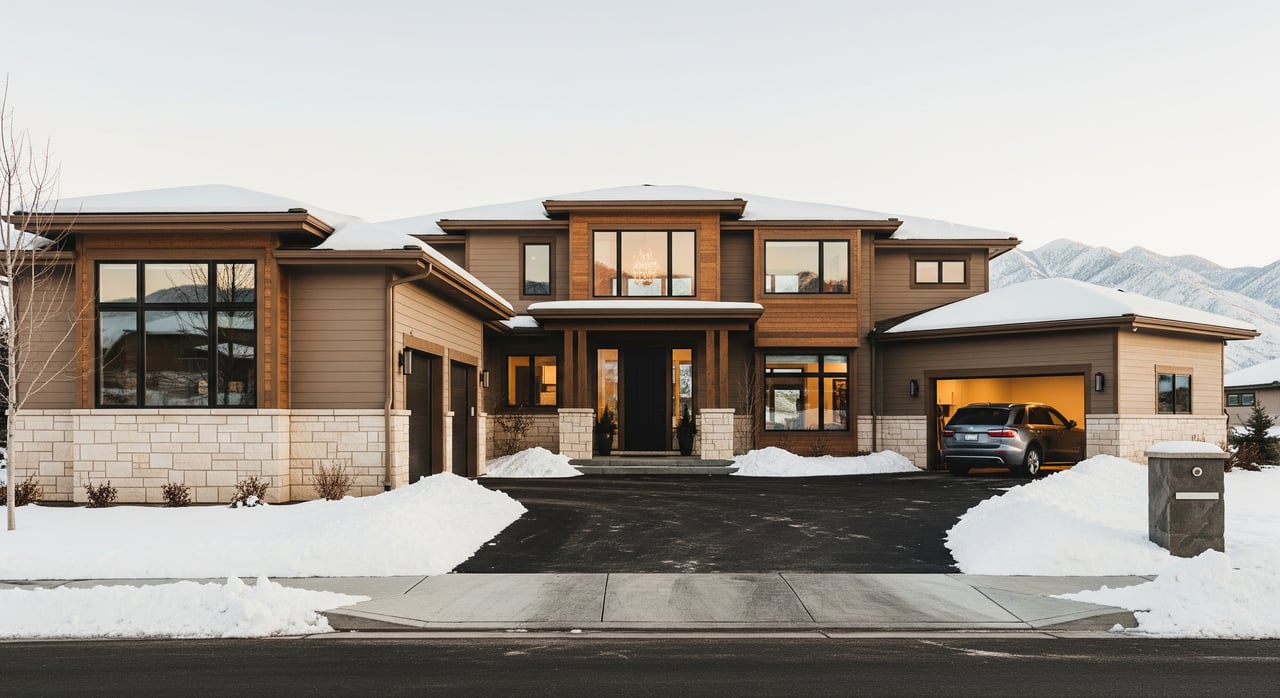
Thinking about listing your Holladay home this spring? A smooth sale starts long before photos and showings. The best results come when you handle permits, safety items, and system tune-ups early so the appraisal and buyer underwriting go off without a hitch. This guide gives you a practical, Holladay-specific pre-inspection checklist that protects your timeline and your bottom line. Let’s dive in.
Why Holladay pre-inspection matters
Holladay’s winter freeze and spring runoff can expose roof and drainage issues. Catching roof wear, clogged gutters, and negative grading early helps you avoid moisture findings that worry buyers. You also live along the Wasatch Front, where air-quality rules can draw extra attention to wood-burning appliances, so clean and service chimneys before showings.
Seismic preparedness is another local concern. While major retrofits are not usually required to sell, smart steps like water-heater strapping and chimney checks go a long way with safety-minded buyers. Finally, most Holladay homes connect to municipal sewer, but some older or larger parcels may have septic systems. Knowing which you have and gathering service records builds confidence fast.
Your pre-listing checklist
Documentation and permits
- Locate permits and final inspection sign-offs for additions, finished basements, kitchen or bath remodels, roof replacements, major electrical or gas work, pools or spas, and any ADU.
- Prepare required disclosures, including lead-based paint disclosures for pre-1978 homes, and a list of known defects.
- Gather warranties and manuals for HVAC, roof, appliances, solar, and pool equipment.
- If your property is in an HOA, assemble the resale package, CC&Rs, rules, assessments, and contact details.
- Collect surveys, plot plans, easements, and any boundary documents. Confirm records with Holladay City Community Development or Salt Lake County offices as needed.
Exterior and site
- Roof: note age and look for lifting shingles, granule loss, flashing issues, and damaged valleys. Clean gutters and downspouts and address any leaks with a licensed roofer.
- Gutters and grading: direct water away from the foundation and correct low spots that hold water near the structure.
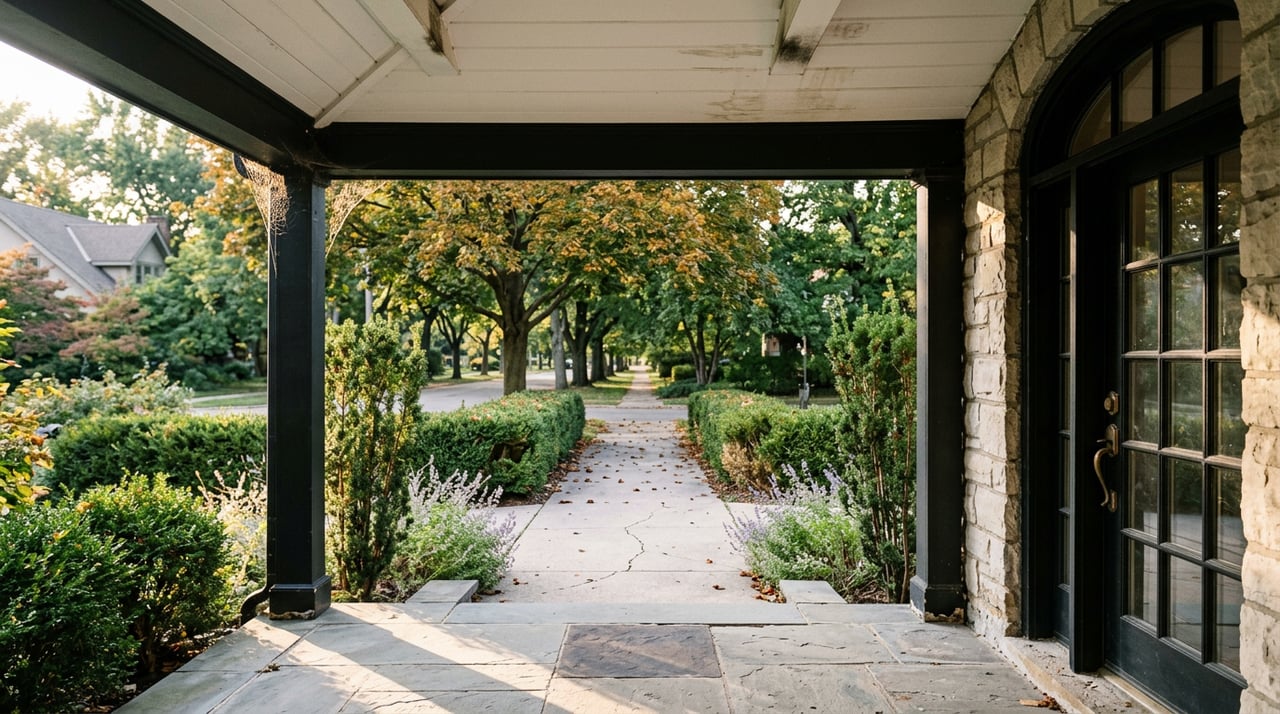
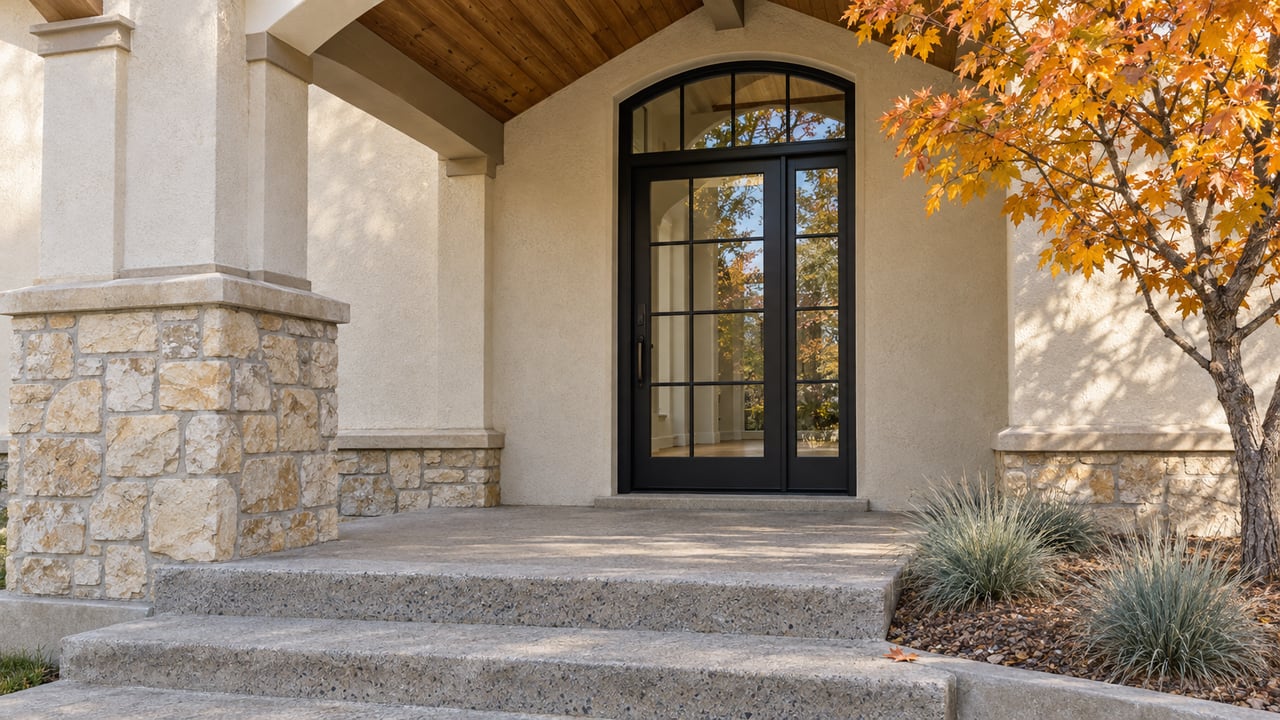
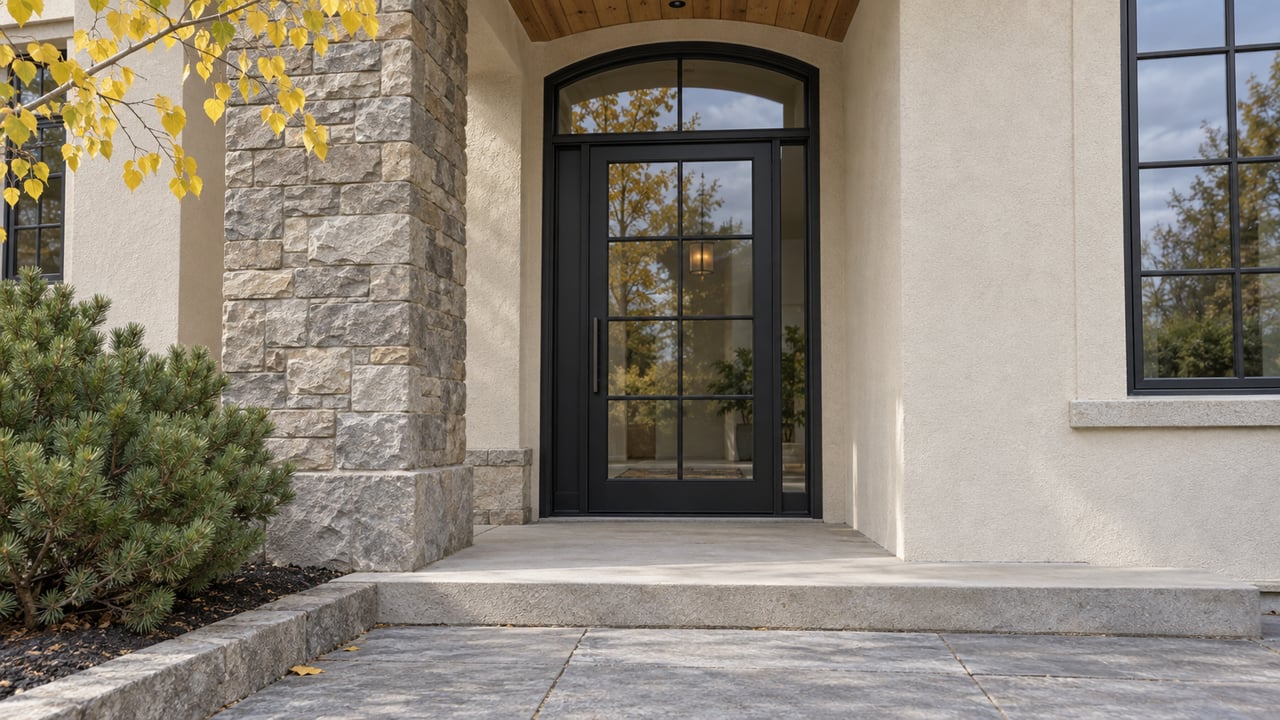
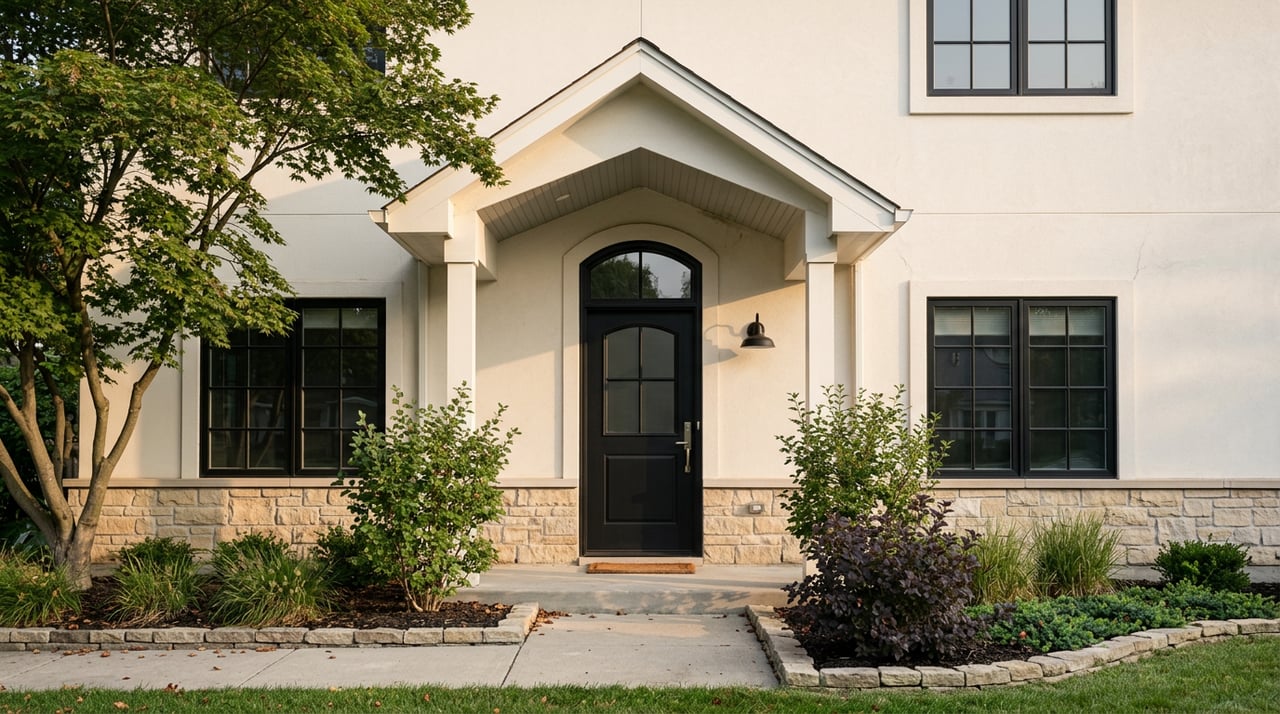
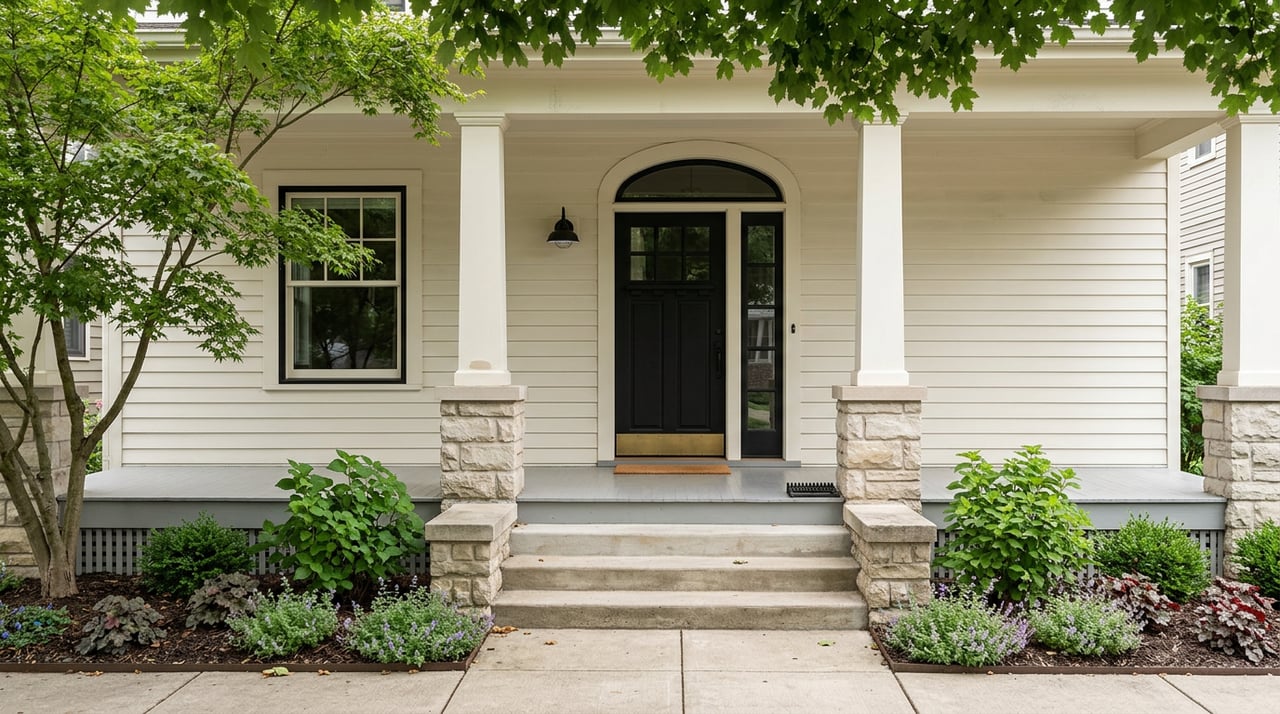
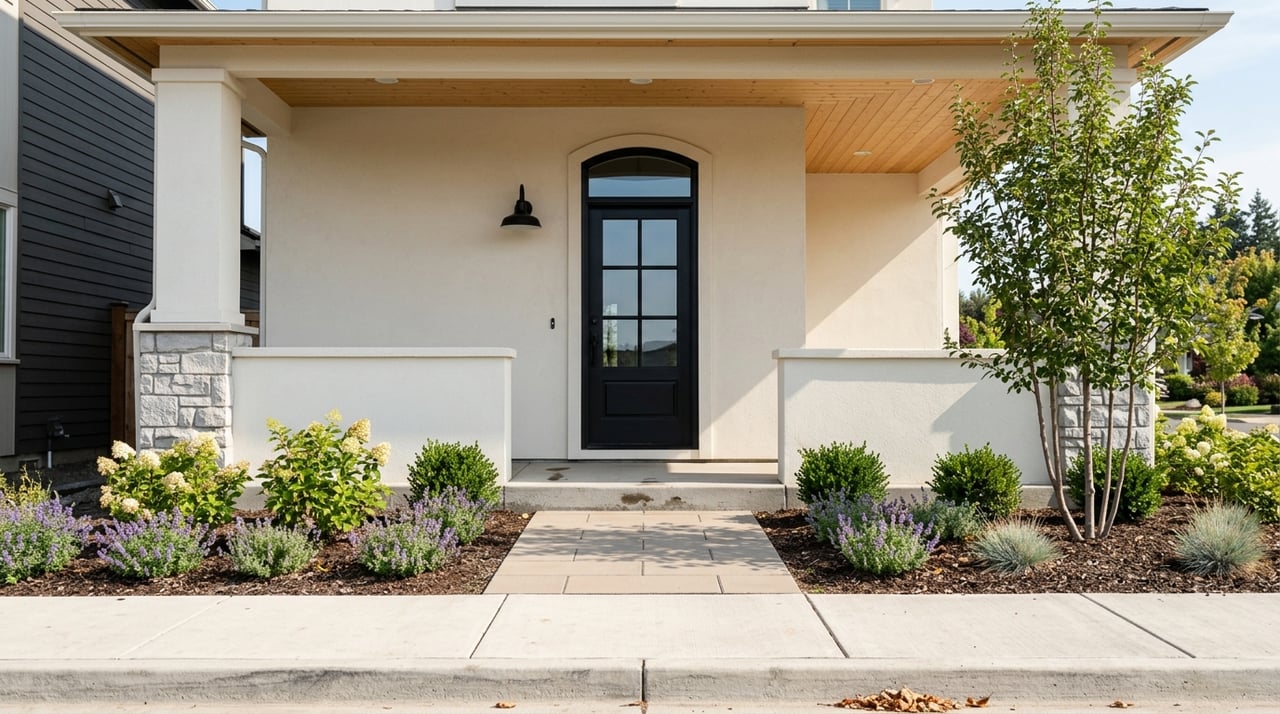
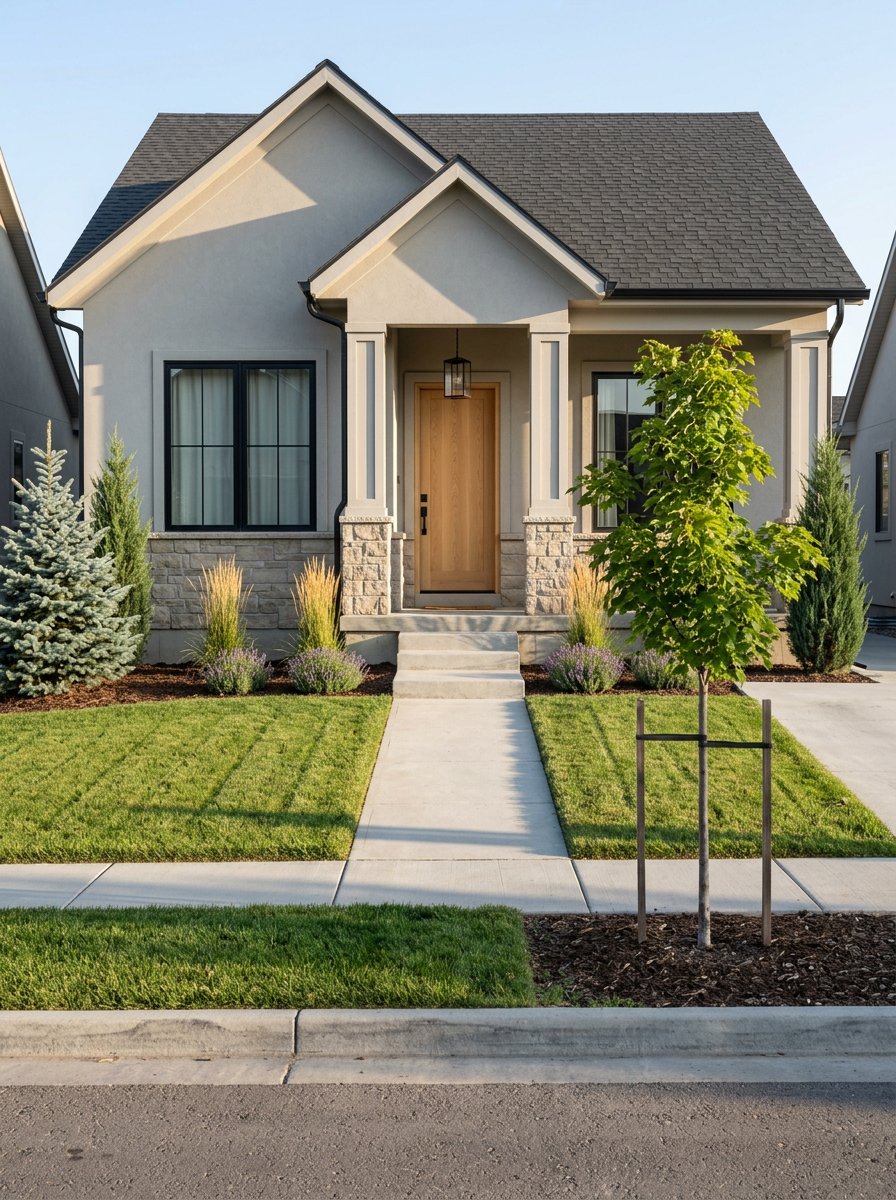
- Siding and paint: repair rotted or damaged materials and refresh trim and the front entry where buyers focus.
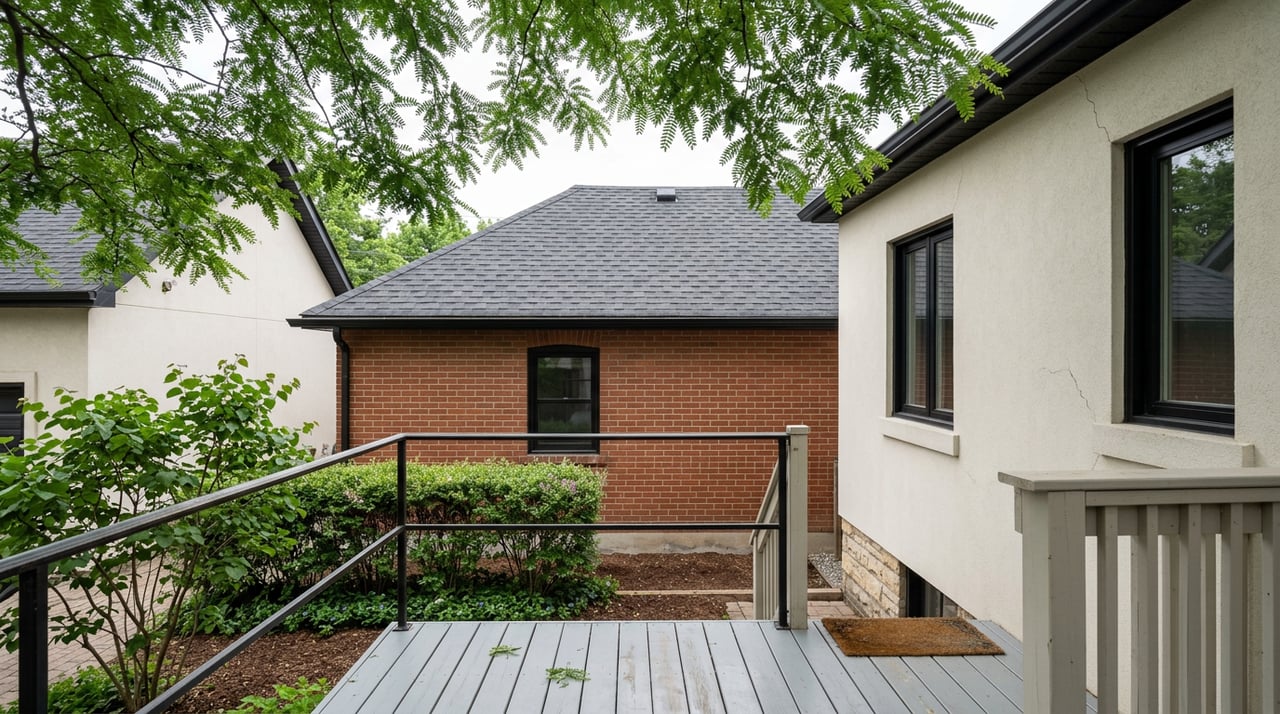
- Decks, balconies, and stairs: check ledger attachments, joist condition, and railing height and fasteners. Fix structural or cosmetic red flags.
- Driveways and walkways: address trip hazards and cracks and consider resealing as weather allows.
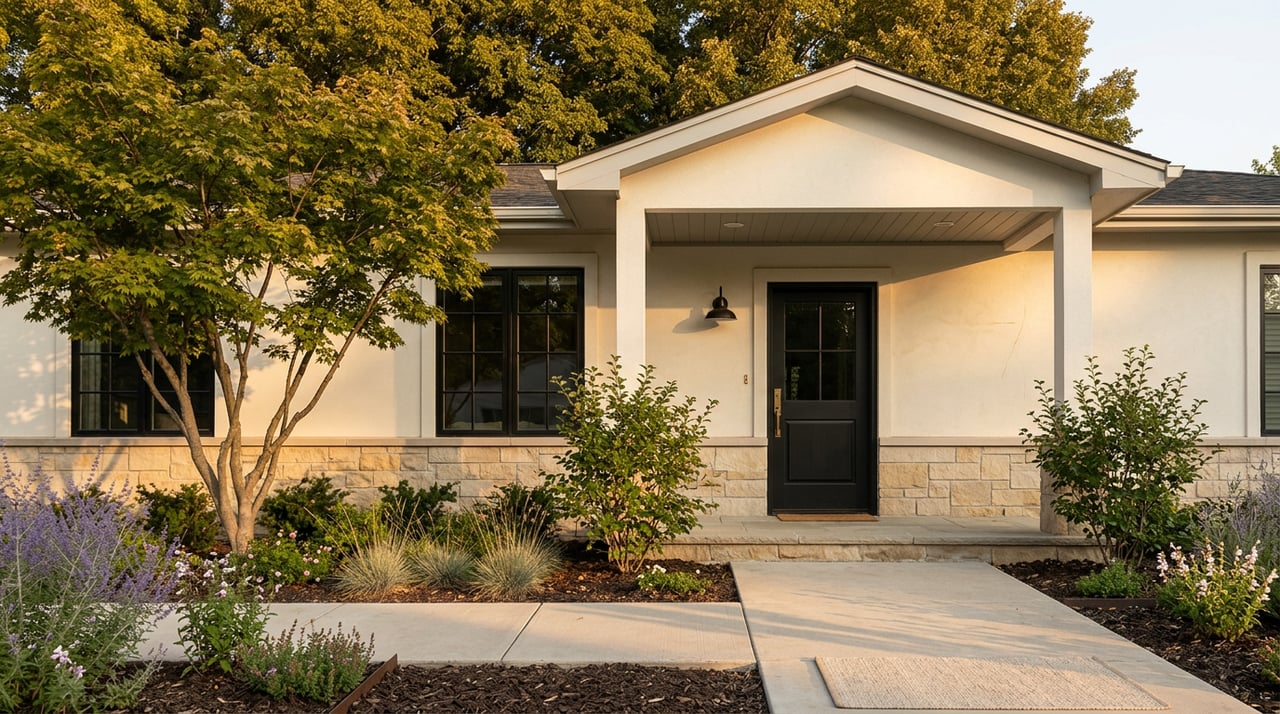
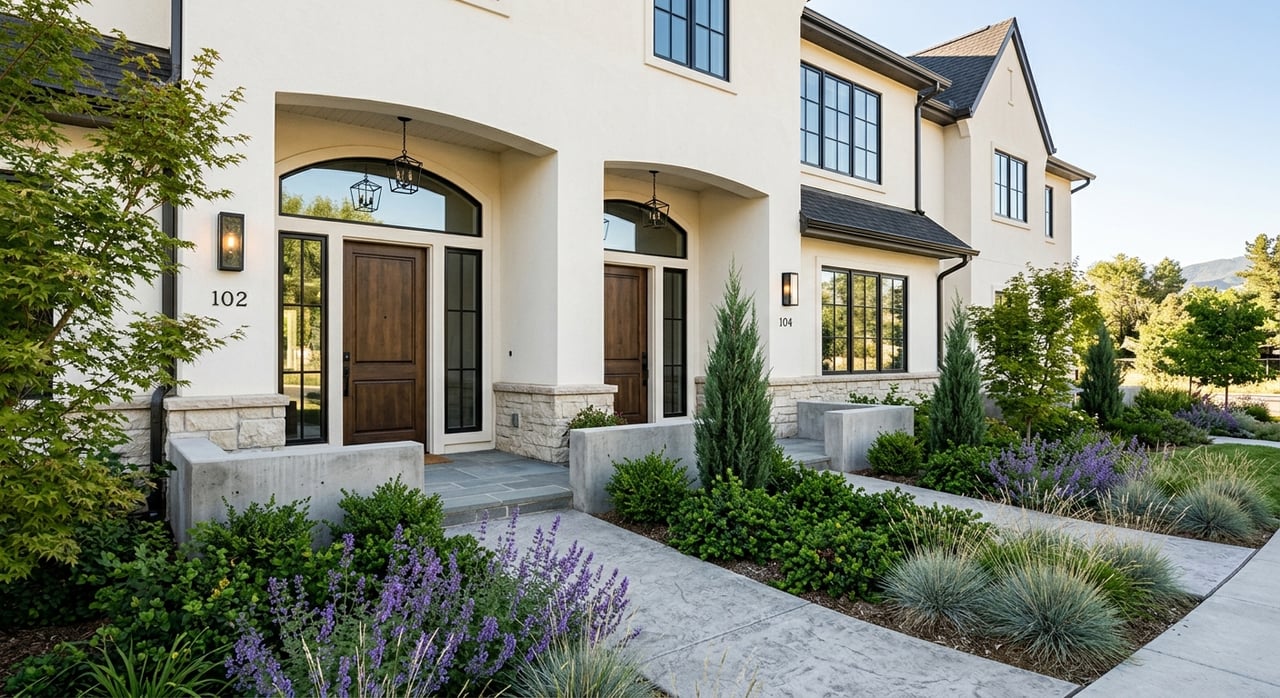
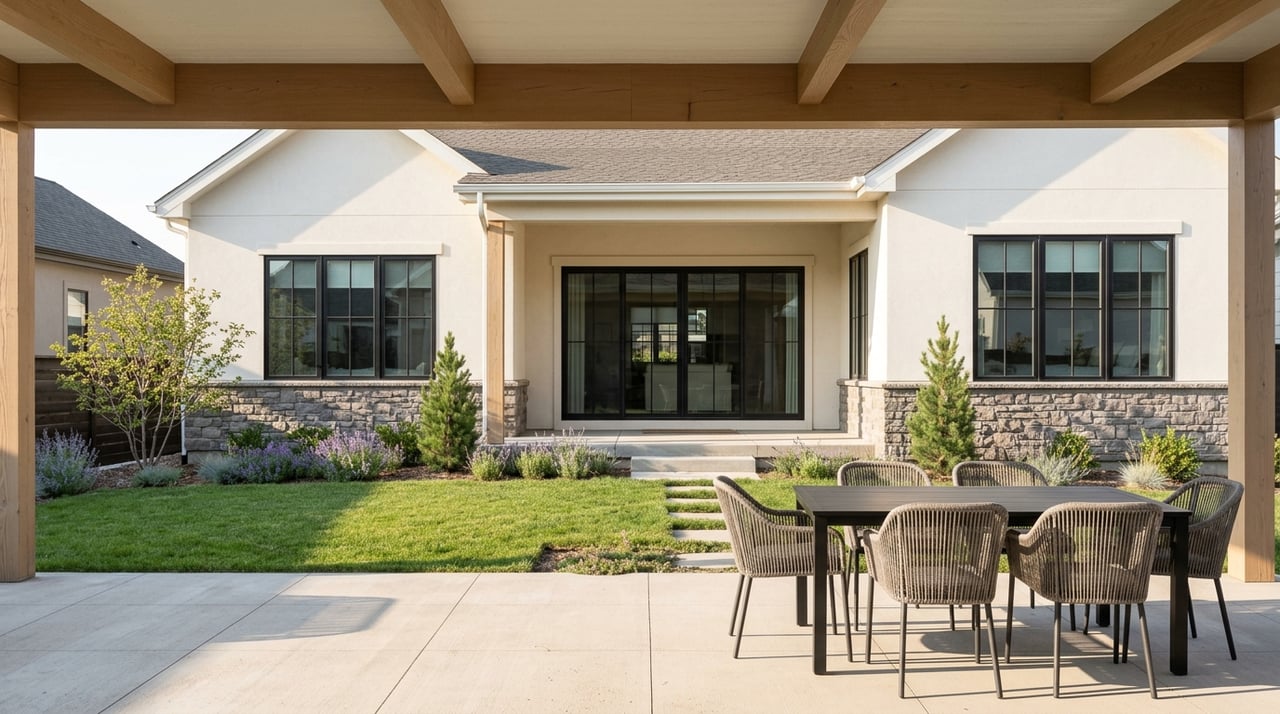
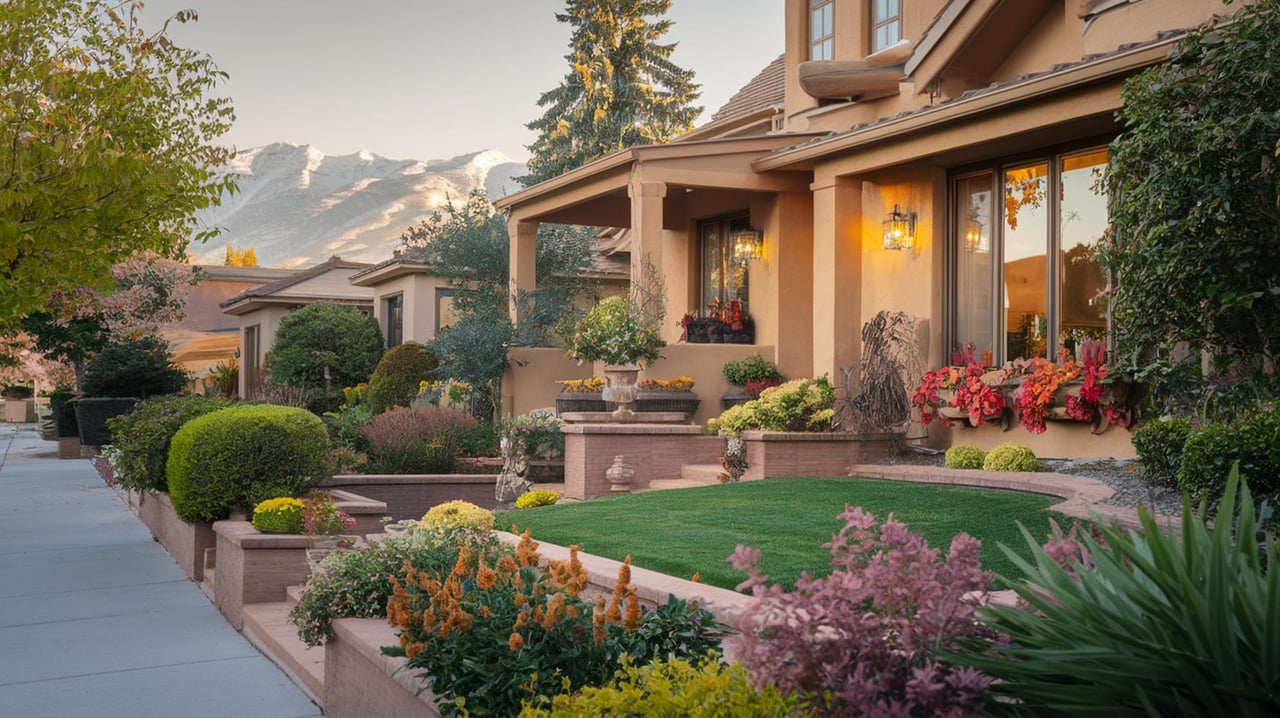
- Landscaping and irrigation: start spring clean-up, prune and mulch, test irrigation, and confirm landscape and exterior lighting work.
- Pools, spas, and water features: confirm pumps and heaters operate, safety gates and covers function, and service history is ready to share.
Foundation and basement
- Cracks: document what you see and consult a structural contractor if you suspect movement. Monitor as advised.
- Moisture: test sump pump function and consider a battery backup. Use dehumidifiers as needed and verify vapor barriers in crawlspaces.
- Insulation and ventilation: inspect rim-joist insulation and look for signs of past water or mold. Keep photos and records if you completed remediation.
Chimneys and fireplaces
- Schedule a sweep and inspection of chimneys and flue liners. Confirm proper venting for gas logs and provide recent service records.
- For wood-burning appliances, verify compliance and be ready to discuss air-quality considerations with buyers.
- Address deteriorated caps, crowns, or masonry that may raise safety or appraisal concerns.
Mechanical systems
- HVAC: book a full service, replace filters, and confirm A/C performance for spring showings. Test thermostats and zoning controls.
- Water heater: note age, look for leaks, verify proper venting, and install seismic straps on gas units.
- Ductwork and ventilation: seal major leaks, confirm returns and supply registers are operating, and check attic ventilation and insulation levels. Keep receipts for upgrades.
Plumbing and sewer
- Fix dripping faucets, running toilets, slow drains, and loose fixtures.
- Inspect supply lines and flex connectors and replace deteriorated parts. Document any piping updates.
- Consider a sewer lateral scope for older properties or if buyers commonly request it in your area. Catching root intrusion or breaks early can save a deal.
- If on septic, gather pumping records, permits, and recent inspections.
Electrical and gas
- Service panel: note amperage and any visible damage. If breakers trip often, have a licensed electrician evaluate.
- GFCI and AFCI: confirm GFCI in kitchens, baths, garages, and exterior locations and AFCI where required. Replace damaged or ungrounded outlets as needed.
- Outlets and switches: repair nonfunctional devices and secure loose cover plates. Document any EV or 240V circuits safely installed in the garage.
- Gas appliances: confirm proper venting and have a licensed pro check for leaks. Keep service records handy.
Safety devices
- Smoke alarms: install and test alarms on each level and replace units that exceed manufacturer life.
- CO alarms: place near sleeping areas and test. Homes with gas appliances or an attached garage especially need them.
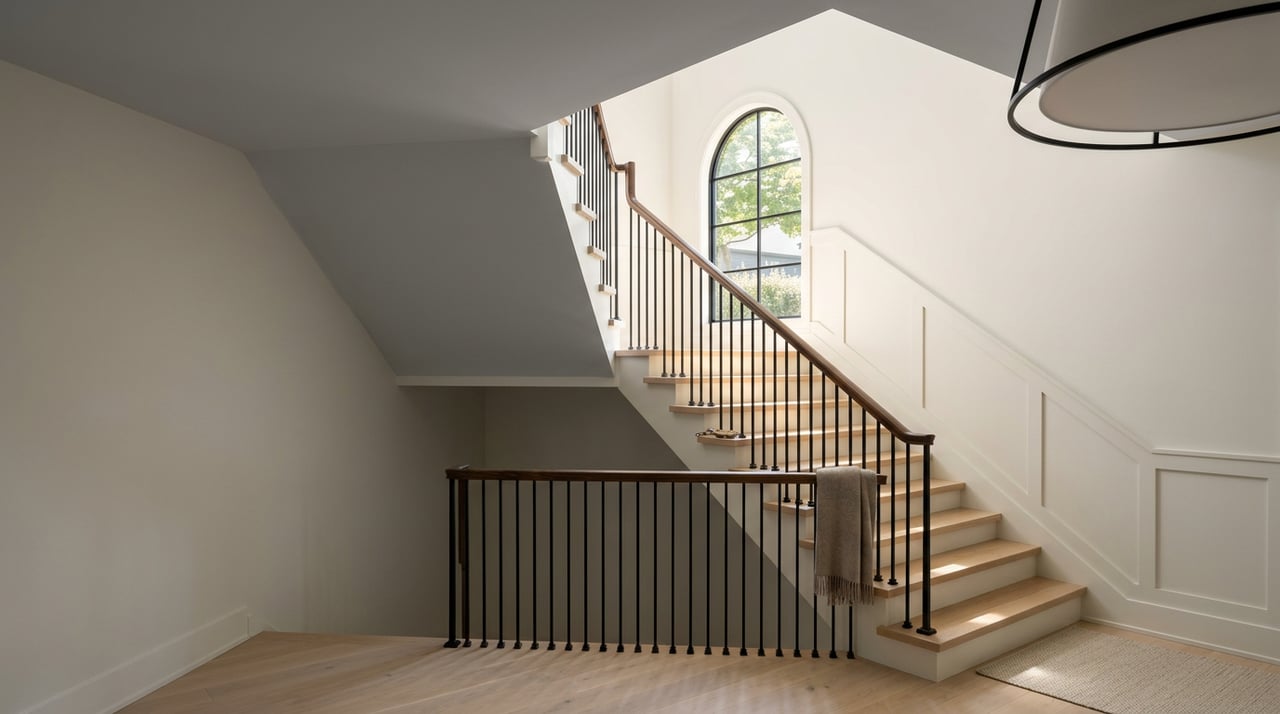
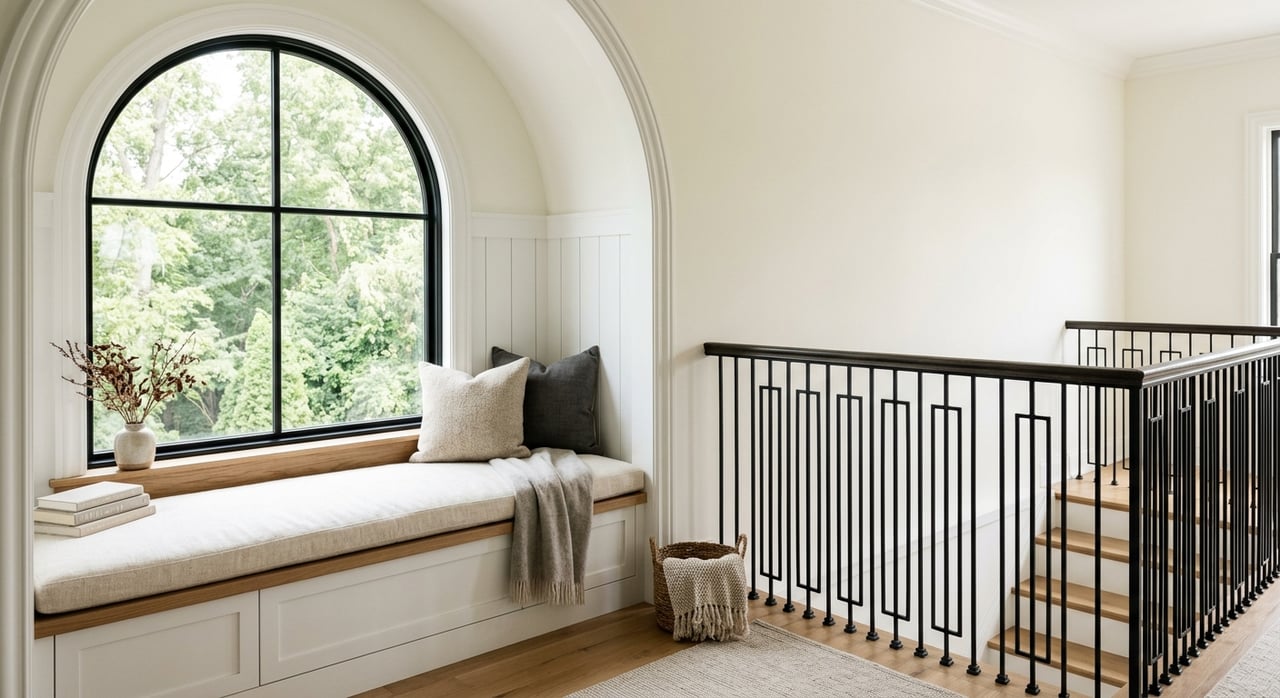
- Handrails and guardrails: confirm height, secure attachment, and stability.
- Security and smart locks: verify codes, battery health, and transfer instructions for smart systems.
- Environmental reports: compile any lead, asbestos, radon, or mold documentation for older homes.
Interior market-ready
- Paint and surfaces: use neutral touch-ups in high-impact rooms and repair scuffs and nail holes.
- Flooring: refinish or professionally clean wood and carpet. Address uneven spots or water damage.
- Kitchens and baths: secure cabinet hardware, caulk where needed, repair leaks, and confirm exhaust fans work. Clean and test every appliance.
- Lighting: replace burned-out bulbs and use warm LED bulbs for photos and showings. Test exterior entry and landscape lighting.
- Odors: treat pet or smoke odors through deep cleaning and, if needed, duct cleaning. Keep fragrances subtle.
- Staging: declutter and depersonalize. Remove visible maintenance equipment and yard tools.
Specialty systems
- Solar: gather interconnection agreements, ownership or lease documents, permits, and service records.
- Home automation and AV: provide manuals, app transfer steps, and account details for thermostats, cameras, and alarms.
- Elevators, lifts, and generators: organize service records and certifications. Confirm safe operation and transfer instructions.
- Pools and spas: include safety barrier documents, permits, and recent service logs.
Inspections to order before listing
- Full pre-listing home inspection by a licensed inspector to surface structural and mechanical issues.
- Sewer scope for older homes or where buyers commonly request it.
- Roof inspection by a licensed roofer to confirm remaining life.
- Chimney and fireplace inspection, especially for wood or solid-fuel appliances.
- HVAC service inspection with combustion safety checks for gas units.
- Termite or wood-destroying insect inspection as appropriate for age or loan type.
- Radon test as an added assurance, especially if your area shows elevated potential.
- Mold or moisture evaluation if you have a history of water intrusion.
- Septic inspection where applicable.
- Optional energy audit or blower-door test for buyers focused on efficiency.
How condition affects appraisals and closing
Unpermitted work
Lenders and appraisers may ignore or discount value tied to unpermitted additions. Some loans require permits and certificates of occupancy before closing. Disclose known unpermitted work and discuss strategy with your agent or attorney.
Deferred maintenance
Visible neglect can lower an appraiser’s condition rating, which affects value and underwriting. Address roof leaks, peeling exterior paint, and damaged decks or railings before photos. A tidy, maintained home supports both perceived value and lender confidence.
Systems age and records
Recent service receipts and replacement invoices for roof, HVAC, water heater, and panels strengthen appraiser notes on condition. Organized records reduce requests for repairs or credits during buyer due diligence.
Safety hazards
Issues like active foundation movement, major electrical hazards, gas leaks, or sewer failures can cause loan denials or delays. Prioritize inspection and repair of any safety item before listing.
Specialty encumbrances
Solar leases, energy liens, open permits, or other title encumbrances must be disclosed. Lenders often require payoff, assumption, or resolution documents prior to funding. Gather paperwork early so closing stays on track.
4 to 8 week prep timeline
Weeks 4 to 8
- Order a full pre-listing inspection and any specialty inspections recommended by age or features.
- Retrieve permits, surveys, warranties, and HOA documents. Start your documentation binder.
- Tackle safety and major mechanical items first.
- Obtain bids for structural, roofing, or higher-cost system work.
Weeks 2 to 4
- Complete agreed repairs for roof, plumbing, electrical, and decks or railings.
- Service HVAC and verify A/C operation.
- Clean gutters and finalize grading fixes.
- Deep clean interiors, touch up paint, and schedule carpet cleaning.
Weeks 1 to 2
- Confirm operational readiness of smoke and CO alarms, sump pumps, security systems, irrigation, and pool equipment.
- Assemble your showing binder with inspection reports, permits, warranties, and energy improvements.
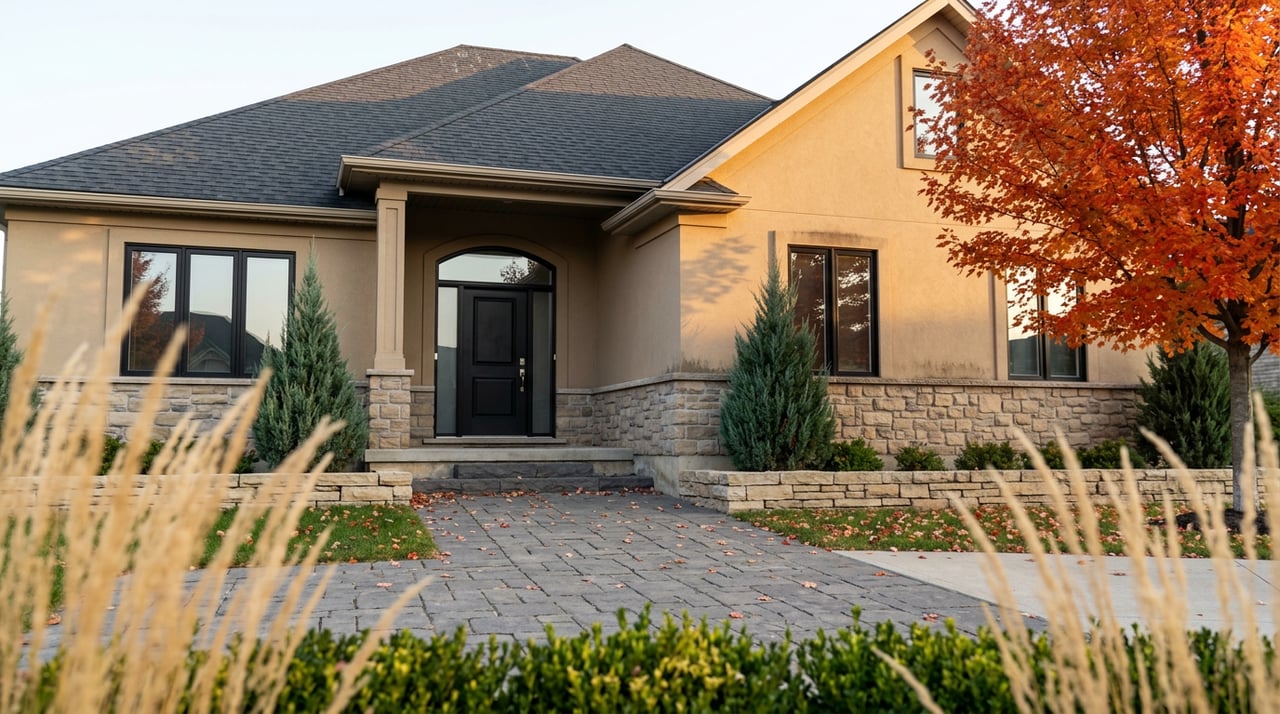
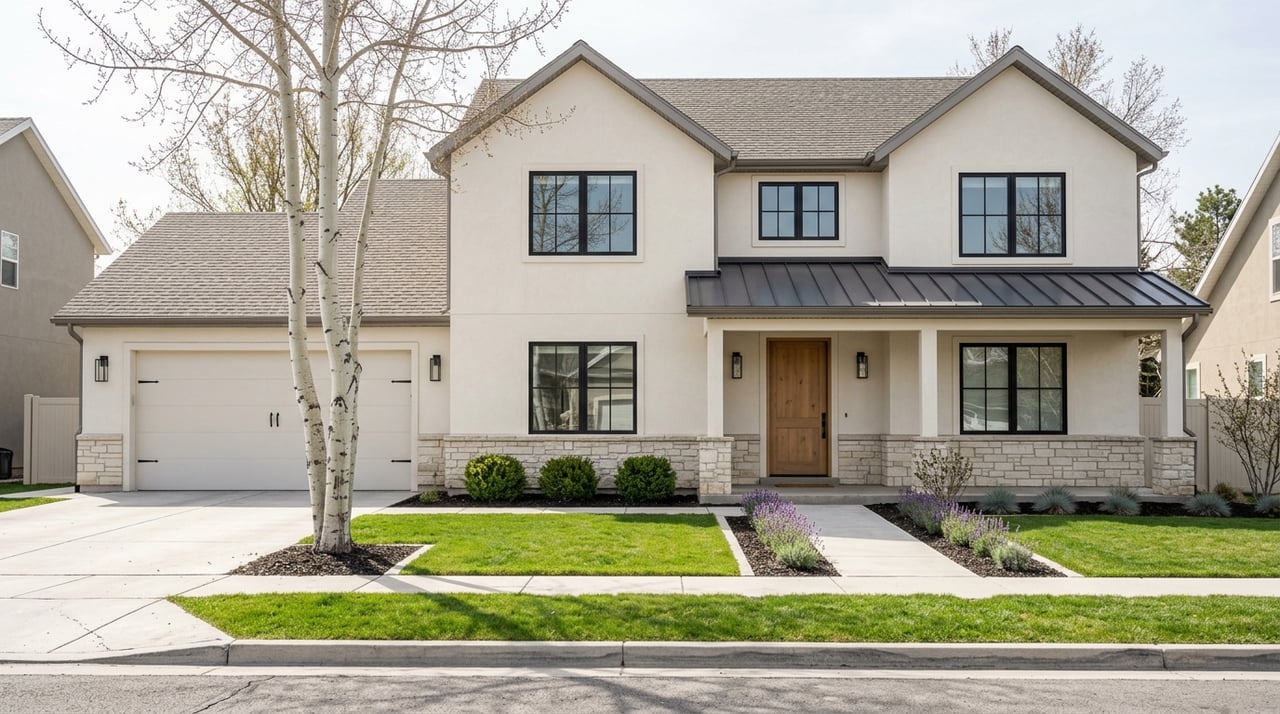
- Complete staging and landscaping touches for curb appeal.
What to include in your showing binder
- Pre-listing inspection report and repair invoices.
- Permits and final inspection sign-offs.
- Warranties and service records for roof, HVAC, water heater, appliances, solar, and pool or spa.
- Recent utility bills to provide energy cost context.
- HOA resale package, CC&Rs, rules, and assessment history.
- Survey, plats, and any easement documents.
Smart fixes vs credits
Prioritize immediate safety hazards and high-impact lender concerns first. For mid-level items, collect contractor bids and decide whether to repair or offer a credit based on the numbers and your timeline. Cosmetic updates like paint, lighting, and landscaping usually deliver strong return for spring listings.
Ready to list with confidence
A well-prepared Holladay home attracts stronger offers and reduces surprises during appraisal and underwriting. Use this checklist to get market-ready, document your upgrades, and give buyers confidence from day one. If you want a tailored walkthrough that prioritizes what matters most to Holladay buyers and appraisers, reach out to Adam Frenza to get started.
FAQs
What inspections should Holladay sellers order before listing?
- A full home inspection, sewer scope for older homes, roof and chimney checks, HVAC service, and radon or WDI tests based on age, location, and buyer expectations.
How do unpermitted projects affect a Holladay appraisal?
- Appraisers may not credit unpermitted square footage and lenders can require permits or occupancy certificates, so disclose and address documentation early.
Do I need to test for radon before selling in Holladay?
- Radon potential varies across Utah, so consider a test as a buyer reassurance step and include results in your showing binder.
Should I scope the sewer line before listing an older Holladay home?
- Yes, a sewer scope is a smart pre-listing move on older properties because sewer failures can derail deals and delay closing.
Which safety devices should be in place before showings?
- Working smoke alarms on every level, CO alarms near sleeping areas, secured handrails and guardrails, and proper gas appliance venting.
How early should I start pre-inspection prep for a spring listing?
- Start 4 to 8 weeks before going live to schedule inspections, complete repairs, organize documents, and finish staging and landscaping.