Architectural Styles in the Avenues, Salt Lake City
February 19, 2026
February 19, 2026
Ever stroll the tree-lined streets of the Avenues and wonder what you are actually looking at? From ornate Victorians to cozy bungalows and sleek contemporary infill, each style tells a story about Salt Lake City’s oldest large residential neighborhood. If you are buying, selling, or planning a remodel, understanding these styles helps you set realistic expectations for layout, upgrades, and long-term value. This guide breaks down how to spot each style, what to expect inside, and the practical checks to make before you write an offer. Let’s dive in.
The Avenues runs across lettered streets A through V and numbered avenues 1st through 18th, climbing the Wasatch foothills on relatively narrow, walkable blocks. Most historic homes in the core were built from the late 1800s into the early 1900s, with later infill extending into the upper Avenues as water and transit improved over time. For context and history, the neighborhood’s book-length survey offers a reliable overview of development patterns and styles you will see on a typical walk. You can explore that survey in “The Avenues of Salt Lake City.”
The Avenues Historic District is listed on the National Register of Historic Places, and much of the neighborhood also carries local historic district protections. You can review the National Register listing through the NPS NPGallery and see Salt Lake City’s local historic district guidance and processes on the city’s website. If you are planning exterior changes, design review and a Certificate of Appropriateness may apply.
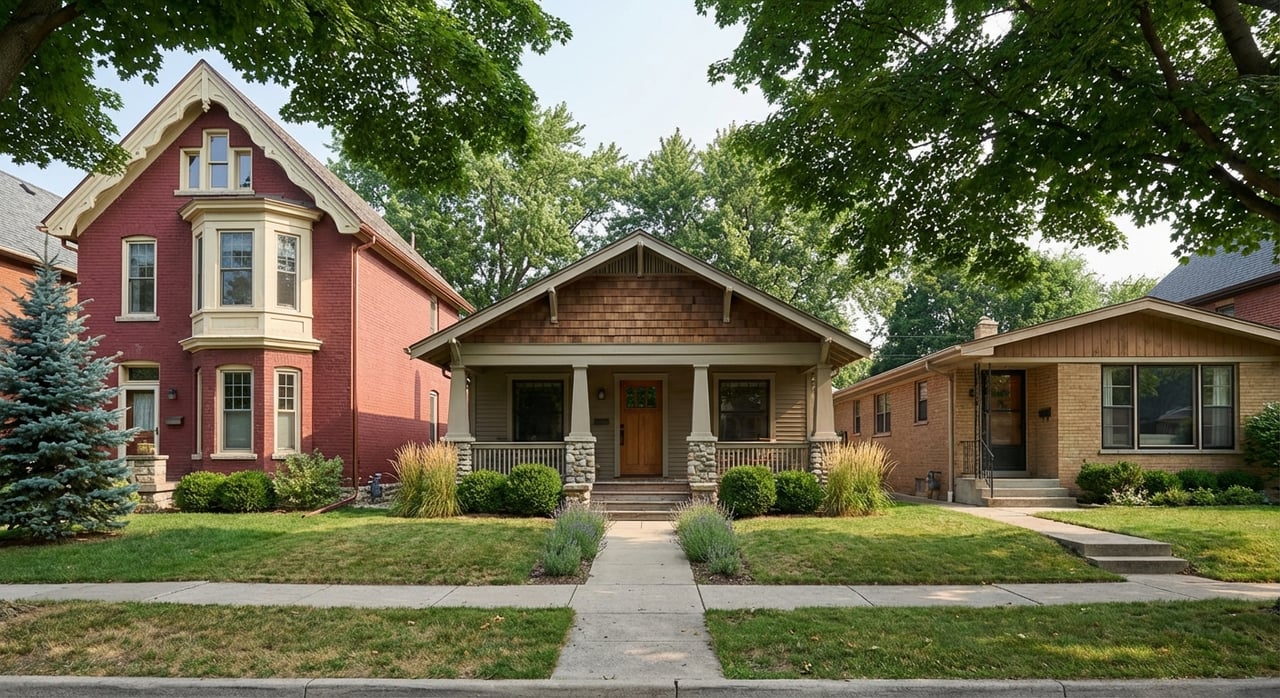
Victorian-era houses dominate many blocks in the lower Avenues. Styles range from vernacular forms with simple trim to high-style Queen Anne and Eastlake.
Look for asymmetrical fronts, bay windows, and steep, varied rooflines. You might see decorative spindlework, patterned shingles, and sometimes a tower or turret on grander homes. Many have full or wraparound porches and mixed materials that create visual depth.
Interiors tend to have taller ceilings and formal rooms. Expect a front parlor, a separate dining room, and a series of smaller rooms rather than a single open great room. You might find original wood trim, built-ins, pocket doors, stained glass, and tiled fireplaces.
Many kitchens have been expanded or relocated over the decades, and basements or attics are often converted. If a property once served as a rooming house, confirm that any interior changes were permitted. Porches and complex roofs can be costly to restore, so budget for those items if condition is fair.
Local examples identified in neighborhood surveys include the William Barton house at 231 B St, the Jeremiah Beattie house at 30 J St, and the David Murdock house at 73 G St.
Early 1900s through the 1920s brought an Arts and Crafts sensibility. You will see many bungalows in mid-block sections between roughly 4th and 11th Avenues.
Bungalows sit low and horizontal with broad porches. Look for low-pitched gabled roofs, wide eaves with exposed rafter tails, and tapered porch piers often set on stone or cobble bases. Many mix natural materials like shingles, clapboard, and clinker brick.
Plans feel more relaxed than Victorians with living and dining spaces that connect. Built-in bookcases, window seats, and a central fireplace are common. Most are one to one-and-a-half stories with efficient footprints.
Original millwork and built-ins are prized and often preserved. Mechanical updates such as wiring, plumbing, and insulation are typical projects. Watch porch piers and stone bases for settlement, and check for moisture wear where wood meets masonry.
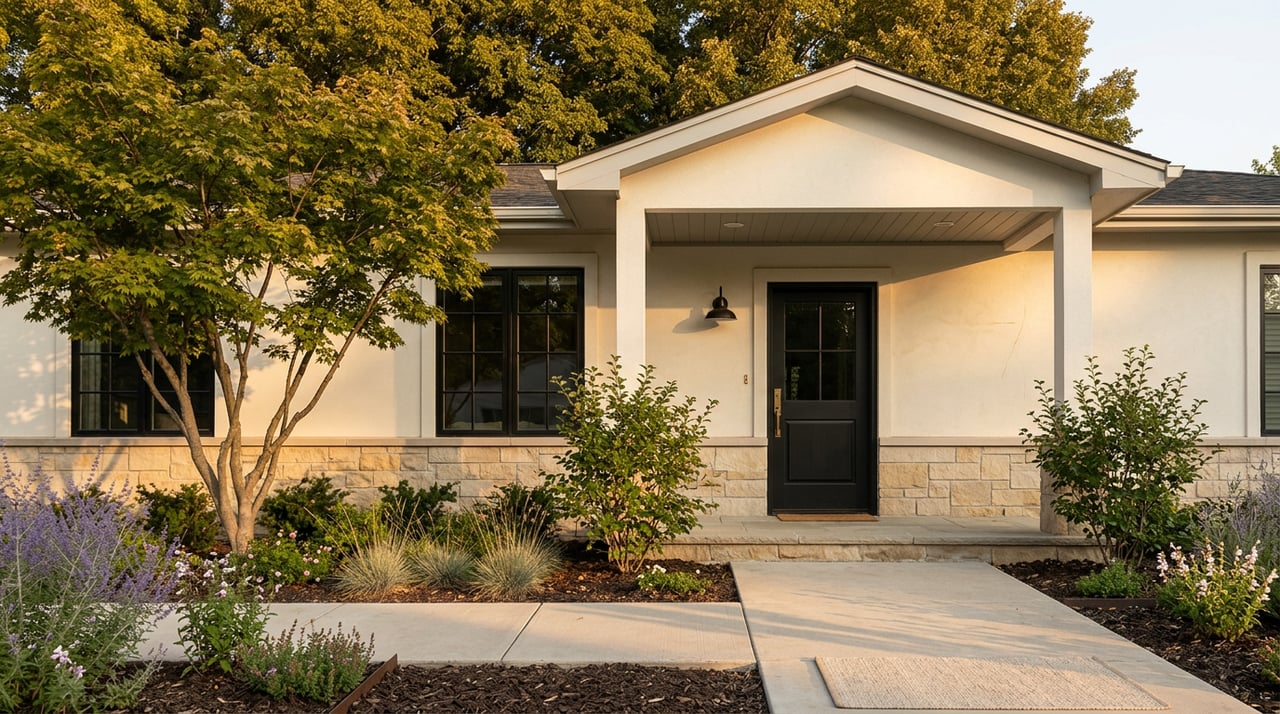
Postwar building brought single-story ranches and mid-century modern variants, especially in the upper Avenues and on infill lots.
You will notice low, horizontal massing with larger picture windows and attached garages. Many have sliding doors to patios or terraces and minimal exterior ornament. Mid-century modern homes tend to emphasize flat planes and more glass. For a concise overview of what you will see in the Avenues context, review this neighborhood summary of postwar styles.
Plans are more open and informal than historic houses. Single-level living is common. Kitchens and baths can be smaller by today’s standards, but many have been remodeled.
Updates often focus on kitchens, baths, insulation, and windows. Check roof systems and older picture windows for age and efficiency. Evaluate driveway slope, garage access, and winter practicality given the Avenues’ grades.
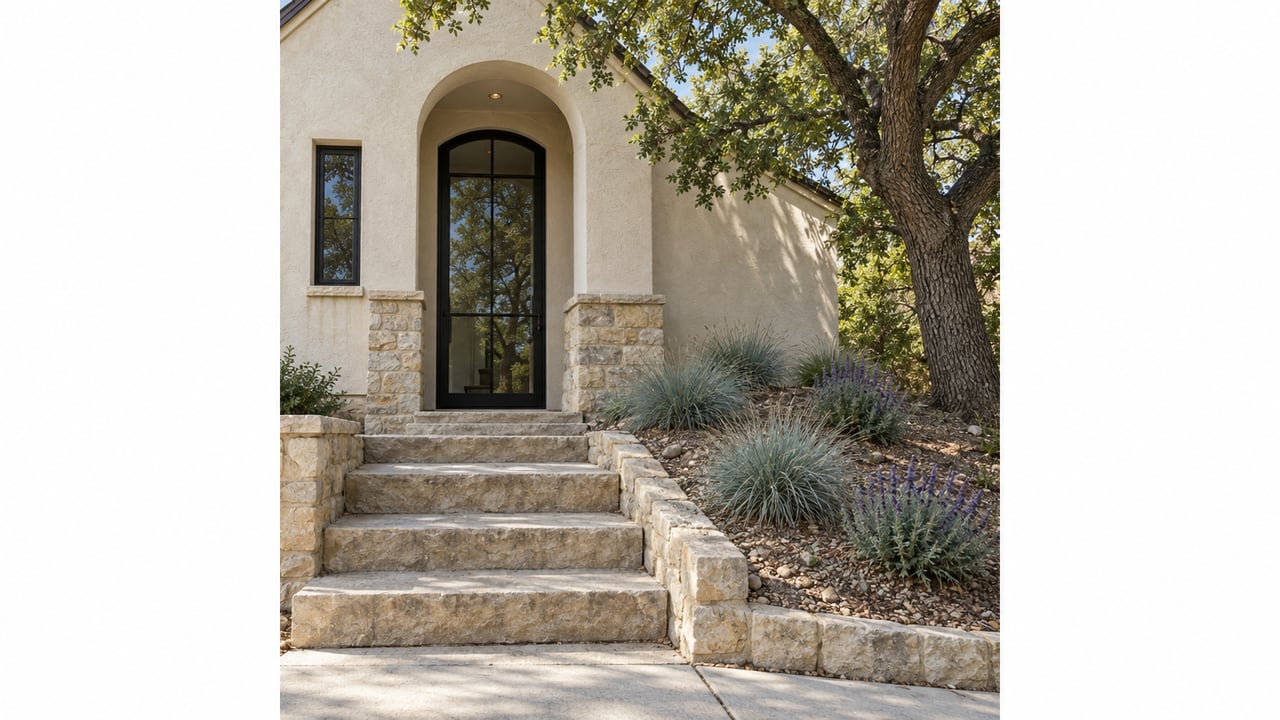
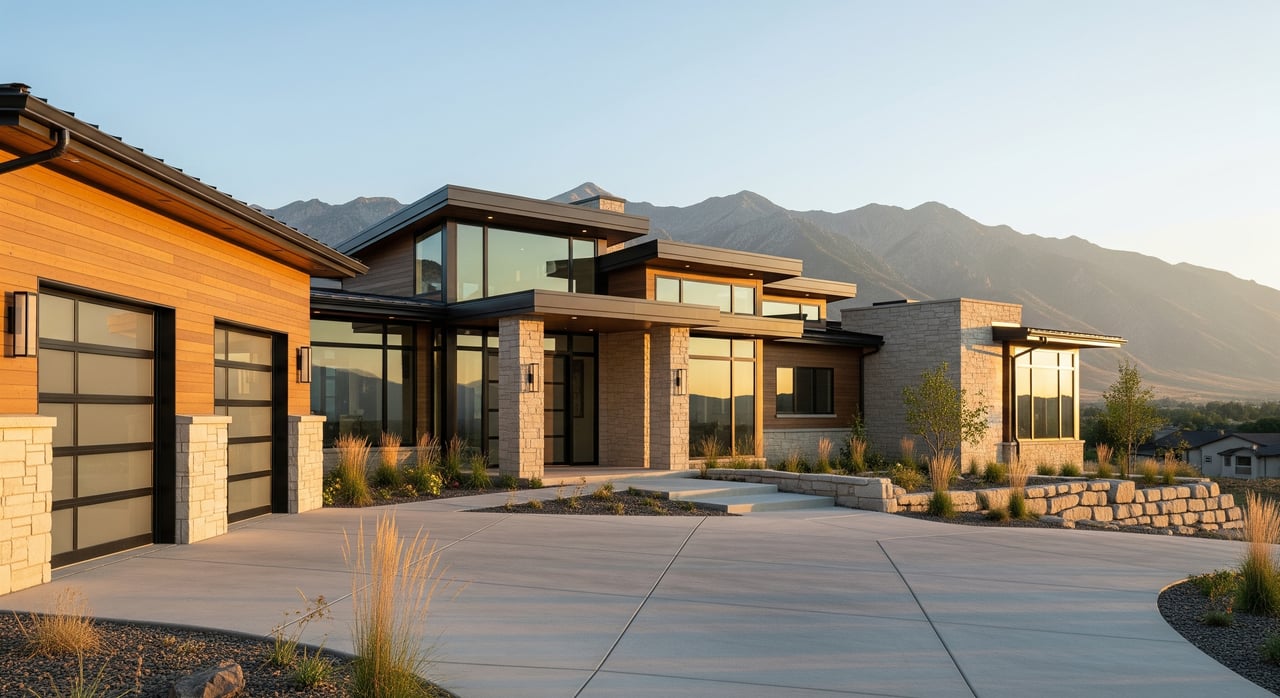
Recent builds and remodels appear where lots were subdivided or older structures were replaced. Designs range from contextual to clearly contemporary, often shaped by steep topography and compact parcels.
Newer homes often maximize light and views with larger glazing, cantilevers, and rooftop decks. On steep lots, structural work, retaining walls, and drainage can drive costs more than finishes. In the local historic district, visible exterior changes and new construction go through city design review that emphasizes compatible massing and setbacks while allowing contemporary interpretation. For details, review Salt Lake City’s design guidelines used in historic settings.
Use this quick framework to evaluate condition, scope, and timelines before you commit.
If you want character-rich details and formal rooms, a Victorian can be rewarding, especially if you value craftsmanship and do not need an open plan. If you prefer warm woodwork and efficient, connected living spaces, a Craftsman bungalow might be your match. If low-maintenance living and single-level layouts appeal to you, a mid-century or ranch home could simplify daily life. If you value light, views, and newer systems, a contemporary infill or thoughtfully expanded home may deliver that blend.
No matter your choice, pair style with practicality. Confirm historic status, understand likely upgrades, and match the home’s layout to how you actually live.
Ready to find the right Avenues home or plan a smart sale or remodel? Reach out to Adam Frenza for neighborhood-driven guidance, buyer and seller strategy, and clear next steps tailored to your goals.
Combination of a few different factors, supply, mortgage rates, and location.
Real Estate
Explore the Latest Inspirations and Styles Shaping Draper Homes
Real Estate
Simplify Your Home Renovation Journey in South Jordan, UT

Opportunity for businesses in the region to promote local art and music.
Real Estate
Essential Tips and Insights for Navigating the East Bench Real Estate Market
Real Estate
Enhancing Your Las Vegas Home with the Power of Natural Light
Staging your home is a way to get it ready to be seen by buyers.
Lifestyle
Explore the Charm of Avenues While Selling Your Home
Real Estate
Key Factors to Consider for Finding Your Perfect Lehi Neighborhood
The day is full of celebrations that are deep-seated in Utah’s culture.
Lifestyle
Transform Your Holladay Home with These Inspiring Office Design Tips

Lifestyle
Unleash Your Adventurous Spirit in the Heart of Utah
Lifestyle
Explore the Charm and History of Salt Lake City's Timeless Districts

Finding a good coffee shop is like finding the perfect home.
Real Estate
Boost Your Home's Appeal and Reach More Buyers with Virtual Tours
Classic Blue has officially been anointed Pantone’s 2020 “Color of the Year.”
The exterior of a home is the first thing that a buyer sees when looking.
Halloween is a time for connecting with your community.
New chapter of travel for those coming and going to the Salt Lake Area.
Real Estate
Enhance Your Living Space with Cutting-Edge Innovations
Real Estate
Expert Tips for Securing the Best Mortgage in Draper
Real Estate
Proven Strategies to Increase Your Salt Lake City Home's Value Efficiently
Real Estate
Essential Inquiries for Homebuyers in Daybreak
Real Estate
Master the Art of Buying a Home in Park City With These Insider Tips
Real Estate
Essential Insights for Navigating Your First Home Purchase in Draper
Second quarter of 2020, 131 homes sold in the Park City area, a drop of 37.3%.
Choosing less space often has to do with a desire to live a life that’s simpler.
How COVID-19 will impact the national housing market and economy.

Working from home can be an adjustment.
If you're in the market to buy, sell, or build a home, you've come to the right spot! Real Estate is not only Adam Frenza's profession, its his passion. Whatever your real estate needs, he can help you reach your goals with confidence.