
How Home Appraisals Work on Salt Lake’s East Bench
January 15, 2026
January 15, 2026
Does your East Bench view add as much value as you think? When you are buying or selling in a view-driven micro-market, the appraisal can feel like a black box. You want a fair, well-supported number that respects your home’s setting, condition, and upgrades. In this guide, you’ll learn how appraisals work on Salt Lake’s East Bench, how appraisers treat views and renovations, what you can do to prepare, and practical steps if the value comes in lower than expected. Let’s dive in.
An appraisal is an independent opinion of value used by lenders to underwrite a mortgage. Most East Bench single-family homes are appraised using the Sales Comparison Approach. The appraiser selects recent, nearby sales and adjusts for differences like size, age, condition, location, and view.
Appraisers also know two other methods. The Cost Approach estimates what it would cost to rebuild the home minus depreciation, plus land value. It can help for newer custom homes or unusual lots. The Income Approach is primarily used for rentals and is rarely the lead method for owner-occupied single-family homes.
Most purchase loans use a full interior inspection report on the Uniform Residential Appraisal Report form. Some refinance or specialty products may allow desktop or exterior-only appraisals, but those are less reliable in view-sensitive areas like the East Bench.
Appraisers follow USPAP for ethics and reporting, along with lender and agency guidance. That framework is designed to keep the process consistent and transparent.
On the East Bench, view is a location factor with real market impact. Appraisers focus on how buyers in this area react to specific view qualities. They look for comparable sales with similar view intensity or make supported adjustments when exact matches are scarce.
Key view elements they consider:
Because East Bench topography varies, even homes a few streets apart can have different view premiums. Appraisers weigh that nuance when choosing comps and making adjustments.
The first priority is recent, nearby closed sales with similar view quality. If close matches are not available, appraisers may expand the radius or time frame, then explain why those sales are still comparable. They will also aim to bracket the subject by size and quality when possible.
Micro-neighborhoods matter here. The East Bench includes pockets like Federal Heights, Harvard-Yale, and areas near Sugar House. Each pocket can show different patterns for view, lot slope, and buyer preferences. Appraisers consider neighborhood character while focusing on the view type that drives value.
When data are thin, appraisers support adjustments with paired sales where possible, or provide market commentary that explains the rationale behind view-related adjustments. The goal is a well-supported opinion that mirrors how buyers actually trade off features.
Appraisers reflect what a typical buyer would pay given the home’s condition, utility, and market influences. Documented, permitted renovations that align with neighborhood norms are more likely to translate into higher value.
Permits matter. Appraisers look for evidence of permitted work. Unpermitted additions or nonconforming spaces can trigger downward adjustments or require remedies through the lender. For some loan types, safety and code issues must be resolved before closing.
Walkout basements are common due to sloped lots. That space can be more valuable than a typical basement, yet it still often values below main-level living areas. Appraisers will carefully distinguish above-grade and below-grade area using accepted measuring guidance.
Additions that bring a home in line with neighborhood norms can perform well. Large custom expansions that push beyond typical sizes may not fully recoup. View-enhancing updates, like strategic window upgrades or deck improvements, often carry stronger recapture because buyers here value preserving or amplifying the view.
Get organized so the appraiser can clearly see the home’s value. Consider this checklist:
You or your agent can point out what the market pays for in your area. Be ready to discuss:
Keep the tone informational. Appraisers are independent, and helpful, factual input is welcome.
A lender-ordered appraisal sets the collateral value for the loan. It is one professional opinion based on available evidence, and it may differ from your contract price. You still have options.
For sellers, a low appraisal can open renegotiation. You and the buyer can supply additional recent comps, request a lender review, or agree on price or terms that bridge a gap.
For buyers, typical paths include paying the difference in cash, requesting a reconsideration of value with clear evidence, seeking a second appraisal if the lender allows, or renegotiating. Successful reconsideration requests focus on stronger comps and factual corrections rather than opinions.
Automated Valuation Models, sometimes called instant valuation tools, are useful starting points. They rely on public records and MLS data, but they cannot consistently capture micro-market drivers like exact view orientation, lot position, or the quality of a renovation.
On the East Bench, those details can shift value meaningfully. Use an AVM as a quick baseline. Then confirm with a comparative market analysis from a local agent and, when accuracy is critical, a full appraisal.
Most full interior appraisals deliver within about 3 to 10 business days from the order date, depending on market volume and property complexity. Fees vary by property type and scope, and your lender will disclose how the fee is handled.
The common report for purchase loans is the full interior inspection on the standard form with photos, floor area calculations, site description, comps with adjustments, and market commentary. Desktop or drive-by reports may be used for some refinance programs, but they are less reliable in view-driven pockets.
East Bench topography, mature trees, and neighborhood overlays all play a role in whether a view is likely to remain. Municipal hillside or ridgeline protections can limit how and where new structures are placed. If you have planning or zoning documentation that supports your view’s permanence, share it with the appraiser so it can be noted in the report.
When a market is shaped by views, slope, and renovations, the details matter. A thoughtful prep process, solid documentation, and neighborhood-smart comps can help your appraisal reflect true market behavior. If you want a second set of eyes on your plan or need a data-backed pricing strategy, reach out. Let’s connect with Adam Frenza for local guidance tailored to the East Bench.


Combination of a few different factors, supply, mortgage rates, and location.

Real Estate
Explore the Latest Inspirations and Styles Shaping Draper Homes

Real Estate
Simplify Your Home Renovation Journey in South Jordan, UT

Opportunity for businesses in the region to promote local art and music.

Real Estate
Essential Tips and Insights for Navigating the East Bench Real Estate Market

Real Estate
Enhancing Your Las Vegas Home with the Power of Natural Light
Staging your home is a way to get it ready to be seen by buyers.

Lifestyle
Explore the Charm of Avenues While Selling Your Home




Real Estate
Key Factors to Consider for Finding Your Perfect Lehi Neighborhood


The day is full of celebrations that are deep-seated in Utah’s culture.
Lifestyle
Transform Your Holladay Home with These Inspiring Office Design Tips

Lifestyle
Unleash Your Adventurous Spirit in the Heart of Utah

Lifestyle
Explore the Charm and History of Salt Lake City's Timeless Districts

Finding a good coffee shop is like finding the perfect home.

Real Estate
Boost Your Home's Appeal and Reach More Buyers with Virtual Tours

Classic Blue has officially been anointed Pantone’s 2020 “Color of the Year.”
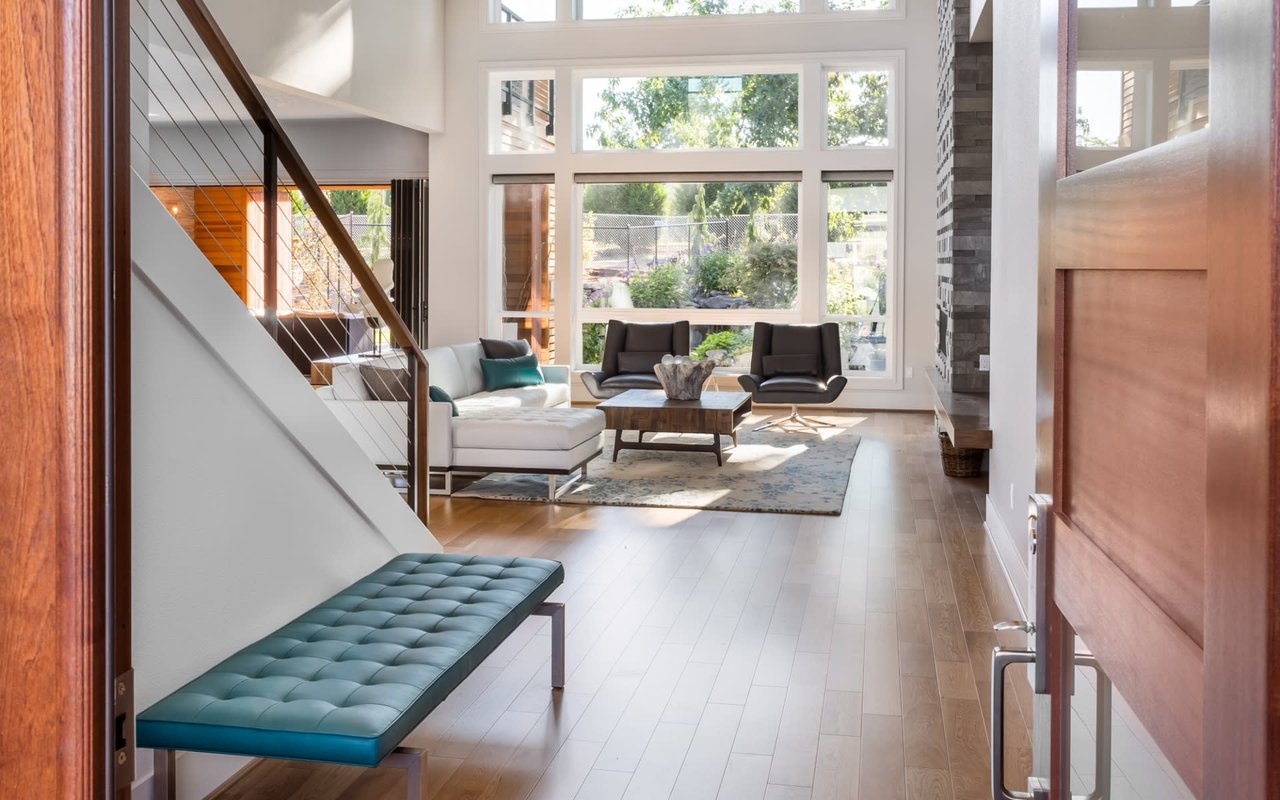
The exterior of a home is the first thing that a buyer sees when looking.

Halloween is a time for connecting with your community.

New chapter of travel for those coming and going to the Salt Lake Area.

Real Estate
Enhance Your Living Space with Cutting-Edge Innovations

Real Estate
Expert Tips for Securing the Best Mortgage in Draper

Real Estate
Proven Strategies to Increase Your Salt Lake City Home's Value Efficiently
Real Estate
Essential Inquiries for Homebuyers in Daybreak

Real Estate
Master the Art of Buying a Home in Park City With These Insider Tips

Real Estate
Essential Insights for Navigating Your First Home Purchase in Draper

Second quarter of 2020, 131 homes sold in the Park City area, a drop of 37.3%.
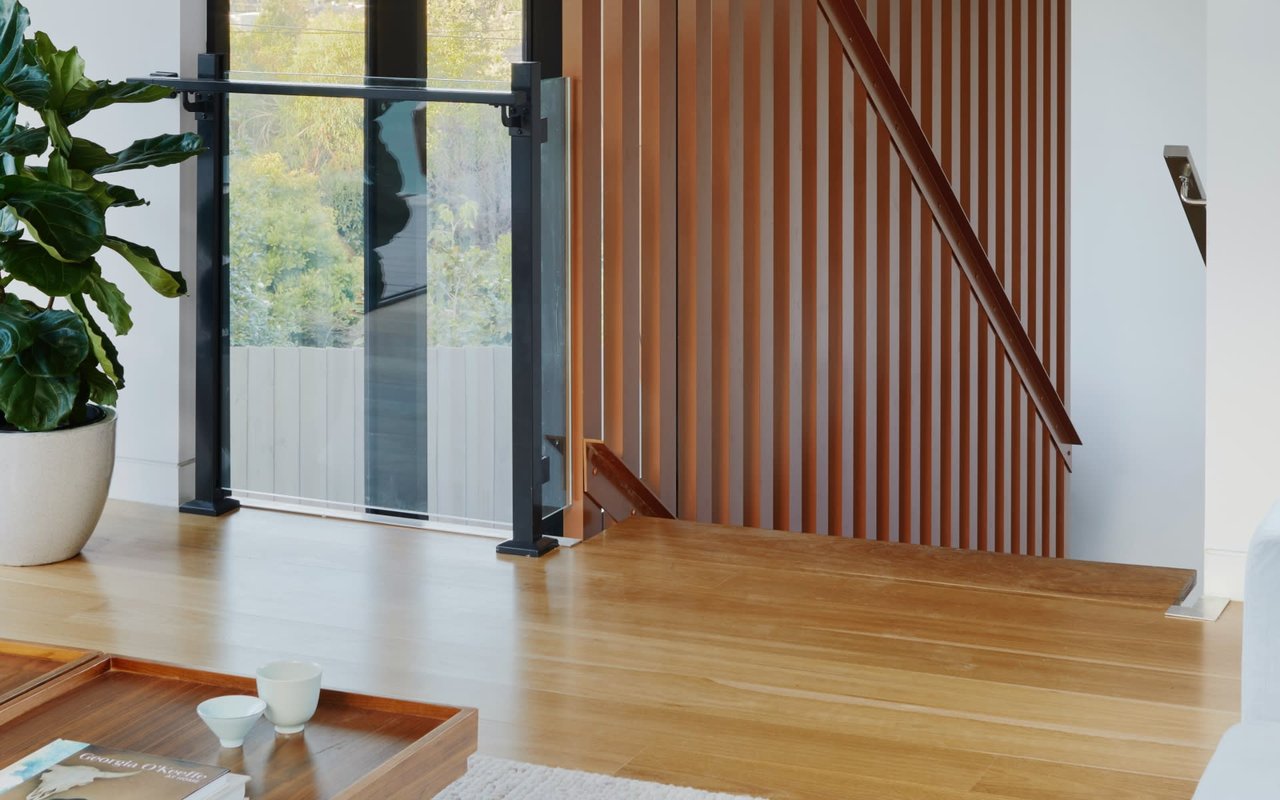
Choosing less space often has to do with a desire to live a life that’s simpler.

How COVID-19 will impact the national housing market and economy.

Working from home can be an adjustment.
If you're in the market to buy, sell, or build a home, you've come to the right spot! Real Estate is not only Adam Frenza's profession, its his passion. Whatever your real estate needs, he can help you reach your goals with confidence.